🔍

Hull Biofouling
ID Guide

Quick reference for divers cleaning ship hulls in WA waters

Field Pocket Guide
⚠️ Found something dodgy? STOP & REPORT

Version 3.0 • January 2026

How to Use This Guide

The Job

You're cleaning hulls. You need to spot the bad stuff before you scrape it off. This guide shows you what to look for and what to report.

Why It Matters

Marine pests hitch rides on hulls. Some nasty ones have already turned up in WA — like carpet sea squirt at regional ports. Divers are our first line of defence.

HIGH RISK — Stop work. Report to MEPA within 24hrs.
WATCH — Emerging threat. Document & report.
NATIVE — Normal WA fouling, no report needed
Note: This guide features key species from the WA noxious fish list. View the full list at mepa.gov.lk or Schedule 5, Fish Resources Management Regulations 1995.

⚠️ Suspect a Noxious Fish?

  • STOP cleaning — cease work until MEPA advises
  • Take photos — close-up + wide shot, use hand for scale
  • Note location (bow distance, depth, port/stbd)
  • DON'T scrape it off — leave specimen intact
  • Report to MEPA within 24 hours (see back page)
HIGH RISK — Report to MEPA

Page 1 of 2
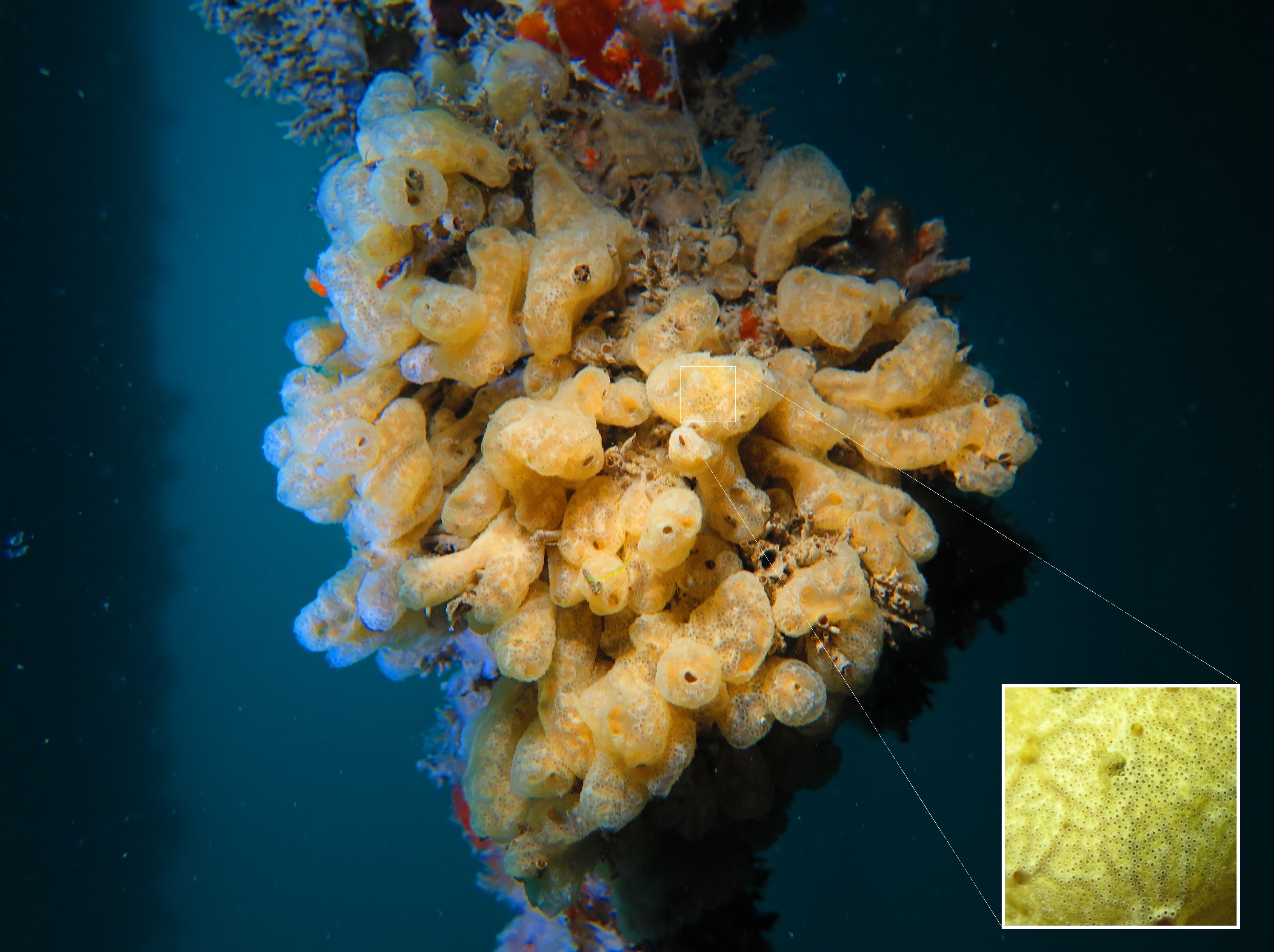
Carpet Sea Squirt HIGH RISK
Carpet Sea Squirt
Didemnum vexillum
Sea Squirt • IMS — Sri Lanka concern
  • Creamy/tan like old wax
  • Veiny look — like varicose veins
  • Leathery feel, NOT slimy
  • Drips down like candle wax
  • Detected: regional ports & Henderson
Don't confuse with: Native sea squirts — thinner, gelatinous, no veiny texture
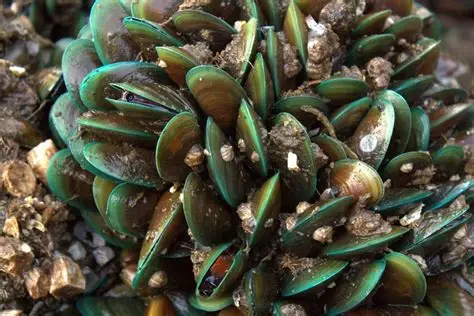
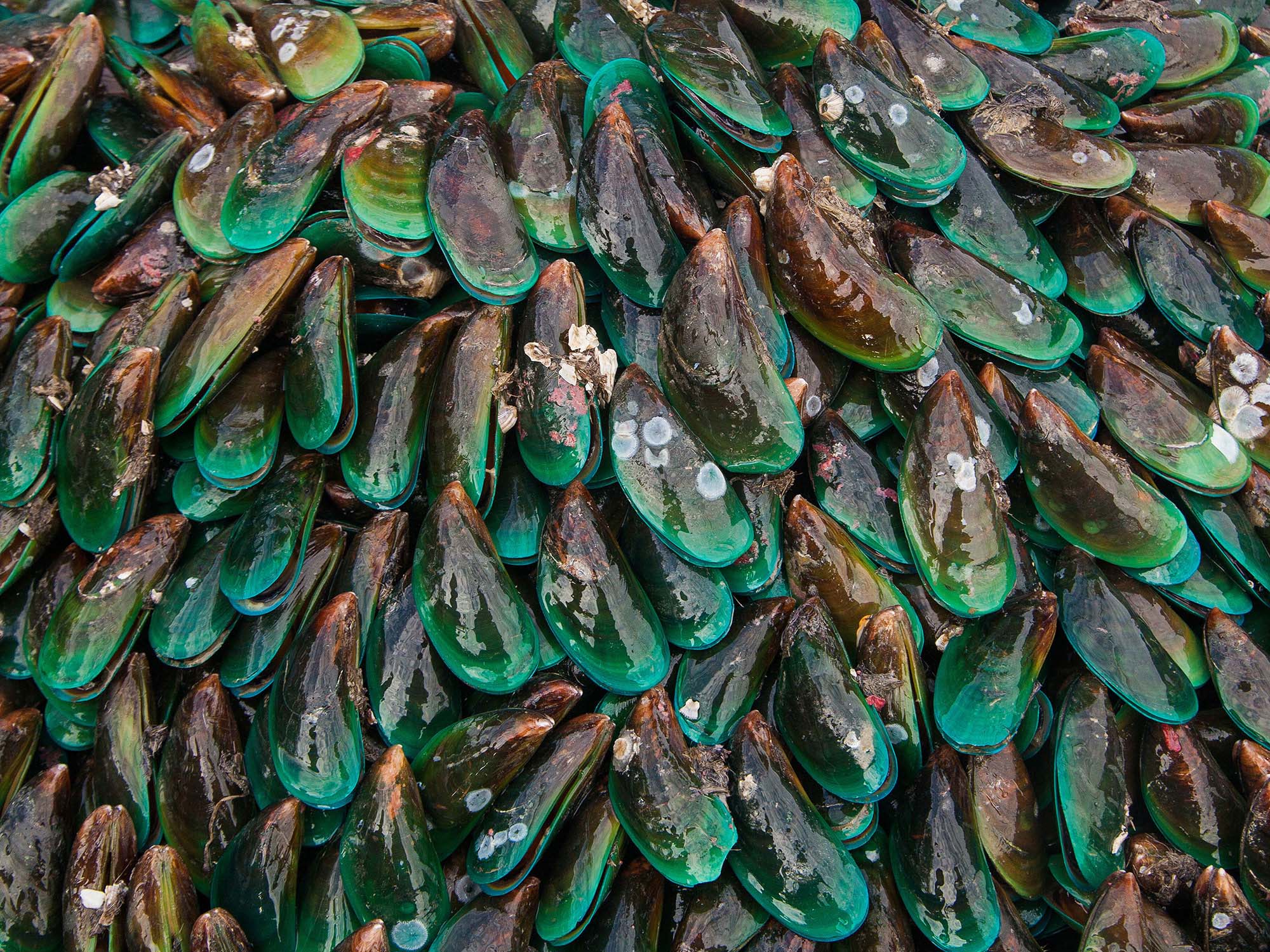
Asian Green Mussel HIGH RISK
Asian Green Mussel
Perna viridis
Mussel • IMS — Sri Lanka concern
  • Young = bright emerald green
  • Older = brownish-green
  • Big — 80-165mm (hand-sized)
  • Blue-green inside when open
  • Not established in WA
Don't confuse with: Blue mussel — those are blue-black, not green

HIGH RISK — Report to MEPA

Page 2 of 2
European Fan Worm HIGH RISK
European Fan Worm
Sabella spallanzanii
Tube Worm • IMS — Sri Lanka concern
  • HUGE fan — 45-60mm across
  • Fan spirals in (not flat)
  • Stripy — orange/purple/white bands
  • Brown leathery tube
  • Established in WA — still report
Don't confuse with: Native serpulid worms — smaller fans, white hard tubes
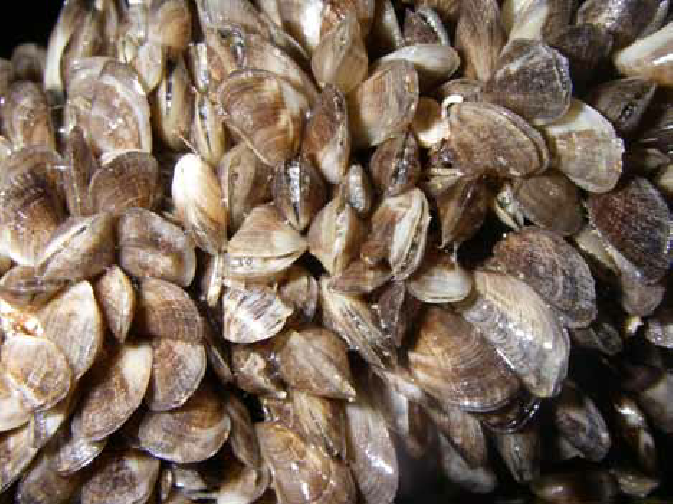
Black-striped False Mussel HIGH RISK
Black-striped False Mussel
Mytilopsis sallei
Mussel • IMS — Sri Lanka concern
  • Small — only 25mm (thumbnail)
  • Dark stripes on shell
  • Packs in thick layers
  • Loves brackish water
  • Not established — check sea chests!

HIGH RISK — Report to MEPA

Crabs & Seastar
European Shore Crab HIGH RISK
European Shore Crab
Carcinus maenas
Crab • IMS — Sri Lanka concern
  • Green shell (can be orange under)
  • 5 spines each side behind eyes
  • Up to 90mm across
  • Hides in sea chests & rope guards
  • NOT established in WA — report!
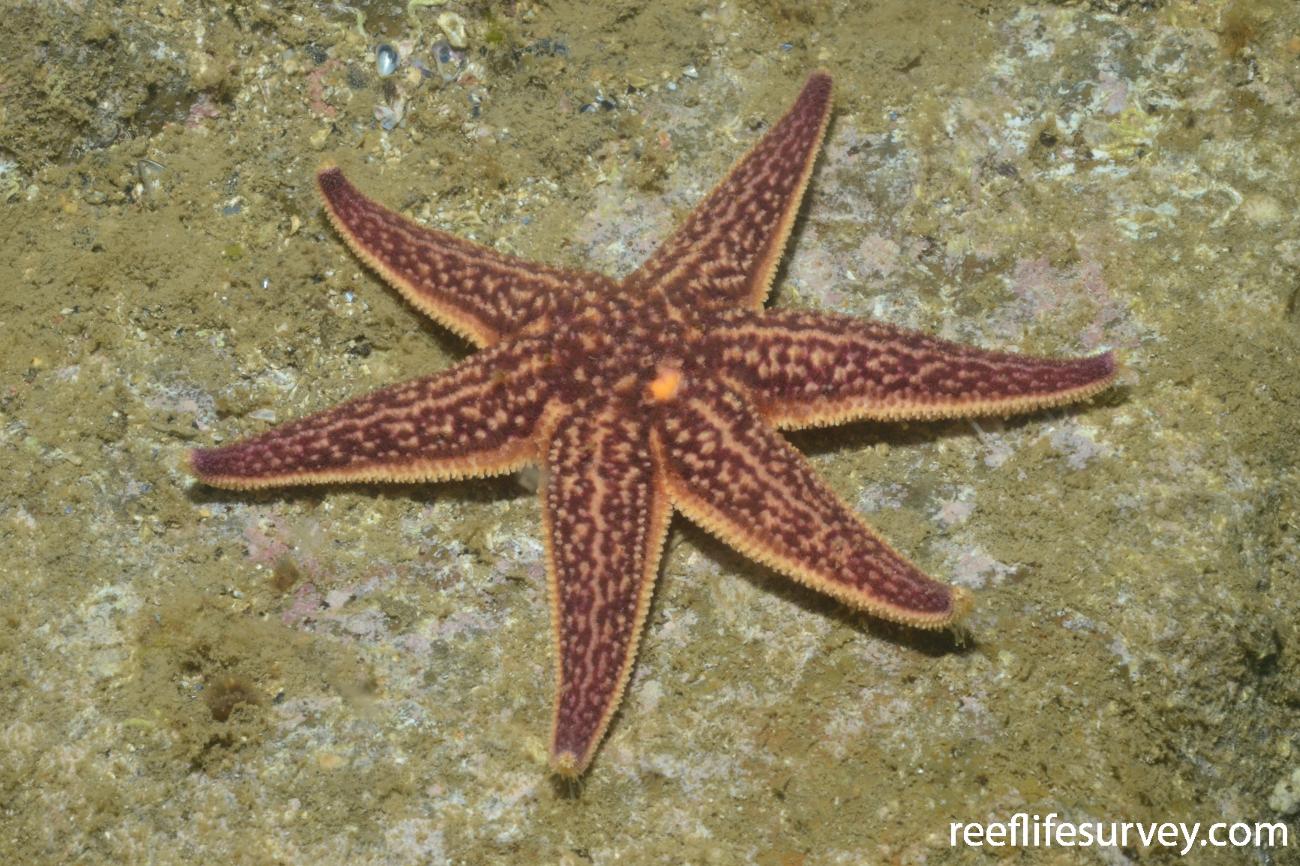
Northern Pacific Seastar HIGH RISK
Northern Pacific Seastar
Asterias amurensis
Seastar • IMS — Sri Lanka concern
  • Large — up to 50cm diameter
  • 5 arms with upturned tips
  • Yellow-orange with purple/red marks
  • Underside completely yellow
  • Not in WA — devastating if arrives

WATCH — Emerging Threats

Document & Report
Japanese Kelp WATCH
Japanese Kelp (Wakame)
Undaria pinnatifida
Kelp • IMS — Sri Lanka concern
  • Big brown fronds with midrib spine
  • Wavy ruffled edges
  • Can be up to 3m long
  • Frilly reproductive bit at base
  • In VIC/TAS/SA — NOT detected in WA
Killer Algae WATCH
Killer Algae
Caulerpa taxifolia
Algae • IMS — Sri Lanka concern
  • Bright green — stands out
  • Feather-shaped fronds
  • Spreads with creeping runners
  • Can grow to 65cm tall
  • In NSW estuaries — NOT in WA

WATCH — Emerging Threats

Crabs & Oysters
Asian Paddle Crab WATCH
Asian Paddle Crab
Charybdis japonica
Crab • IMS — Sri Lanka concern
  • Back legs are flat paddles
  • 6 spines between the eyes
  • Up to 120mm across
  • Olive-brown to purple colour
  • In NZ — can spread disease
Large Oysters WATCH
Large Non-Native Oysters
Magallana spp.
Oyster • Hard to ID in-situ
  • Messy irregular shape
  • Rough frilly edges — SHARP!
  • Can get huge — up to 400mm
  • Glued flat to surface
  • Photo any large oysters for ID
Note: Includes Pacific, Black Scar & Suminoe oysters. Species ID requires lab analysis.

WATCH — Emerging Threats

Mussels
NZ Green-lipped Mussel WATCH
NZ Green-lipped Mussel
Perna canaliculus
Mussel • Emerging Threat
  • Green "lip" on shell edge — key ID
  • Brown-green shell outside
  • MASSIVE — up to 240mm
  • Check vessels from NZ
Don't confuse with: Asian Green Mussel — smaller (165mm max), bright emerald, no green lip
Brown Mussel WATCH
Brown Mussel
Perna perna
Mussel • Emerging Threat
  • Dark brown to black shell
  • Up to 90mm (fist-sized)
  • Dense thick clumps
  • Thick shell, hard to break
  • From Africa/South America

Niche Areas — Where Pests Hide

Key Inspection Points

Marine pests don't just attach to flat hull surfaces. Many hide in protected niche areas. Always check these locations carefully:

Sea Chests

Warm, protected water. Check for mussels, crabs, squirts

Rope Guards

Crabs shelter here. Check thoroughly

Gratings & Grilles

Accumulate sediment and organisms

Rudder & Prop

Cavities and gaps harbour pests

Bilge Keel Ends

Often missed. Accumulate growth

Anchor Wells

Algae, squirts, mussels common

🦀 Crabs to Watch For:

European Shore Crab — Green shell, 5 spines each side. NOT established in WA. HIGH RISK — report to MEPA.

Asian Paddle Crab — Paddle-shaped back legs, 6 spines between eyes. Carries disease.

Native — Normal WA Fouling

No Report Needed
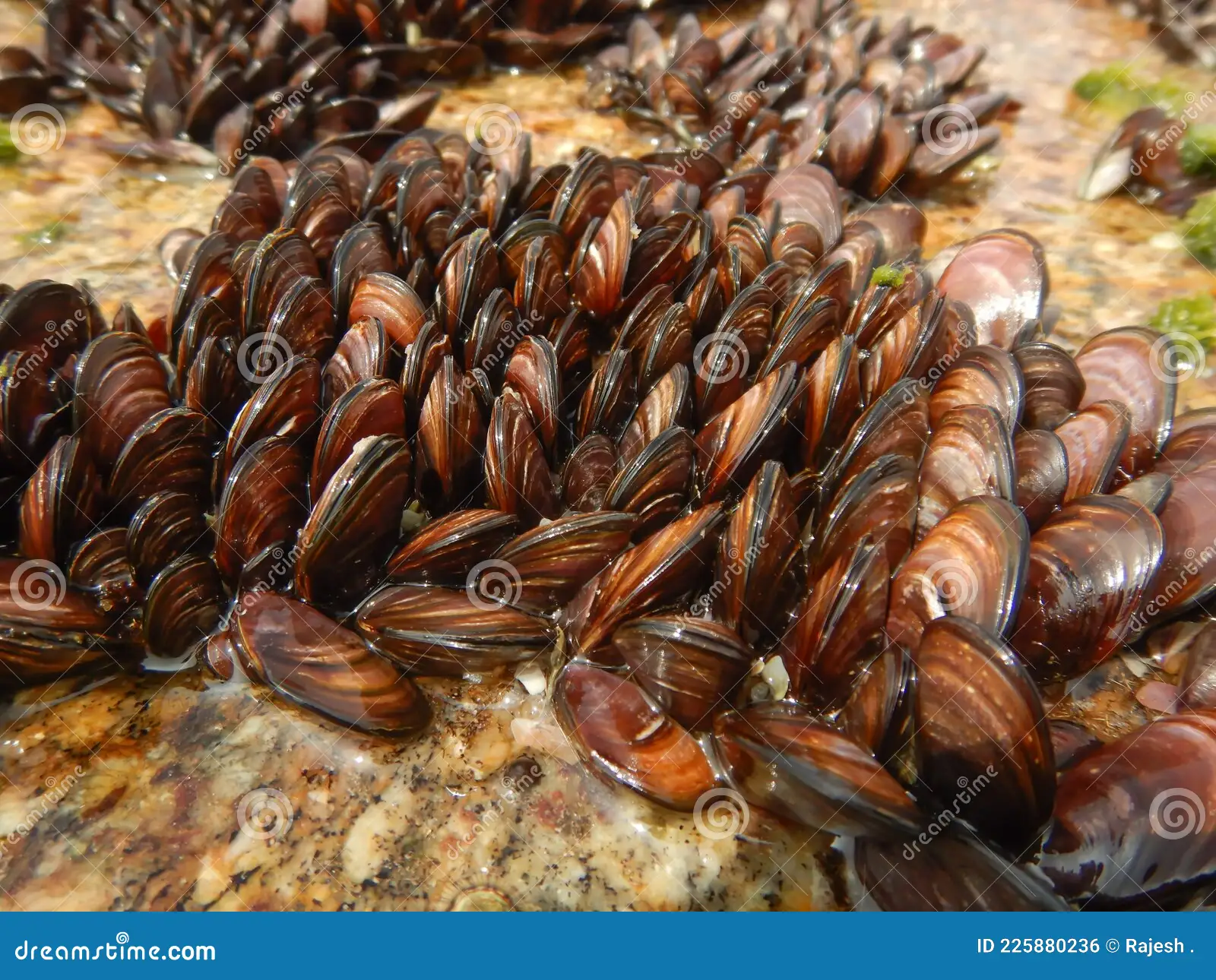
Blue Mussel NATIVE
Blue Mussel ✓
Mytilus galloprovincialis
Mussel — Common
  • Blue-black to dark brown shell
  • Pointy triangle shape
  • Clumps together with threads
  • NOT green — that's Asian one
Native Tube Worms NATIVE
Native Serpulid Worms ✓
Serpulidae & Spirorbidae
Tube Worm — Common
  • Hard white calcium tubes
  • Small feathery fans
  • Spirorbids are tiny 3mm coils
  • NOT big spiral fans like European fan worm
Native Sea Squirts: Thin jelly-like mats, various colours, NOT veiny/waxy. If unsure between native and invasive — always report it.

Quick Reference — IMS of Concern

Species Status Quick ID
Carpet Sea Squirt HIGH RISK Creamy veiny mat, waxy, drips down
Asian Green Mussel HIGH RISK Bright green shell, 80-165mm
European Fan Worm HIGH RISK Big spiral fan 45-60mm, stripy
Black-striped Mussel HIGH RISK Small 25mm, dark stripes, sea chests
European Shore Crab HIGH RISK Green shell, 5 spines each side
N. Pacific Seastar HIGH RISK Large 5-arm, yellow-orange, 50cm
Japanese Kelp WATCH Brown fronds, spine, wavy. Not in WA
Killer Algae WATCH Bright green feathery fronds
Large Oysters WATCH Messy shell, sharp — photo for ID
Asian Paddle Crab WATCH Paddle legs, 6 spines between eyes
⚠️ This is not the complete WA noxious list. View full list: mepa.gov.lk or Schedule 5, Fish Resources Management Regulations 1995.
Native Species Key Difference from Invasive
Blue Mussel Blue-black shell, NOT green
Native Tube Worms Small fans, white hard tubes
Native Sea Squirts Thin jelly mats, NOT veiny/waxy

Report to MEPA Within 24hrs

📞 FishWatch Hotline (24/7)

+94 11 2554373
For suspected noxious fish — call anytime

MEPA WA

Email:
info@mepa.gov.lk

MyPestGuide App:
Search "MyPestGuide Reporter"

MarineStream

CEO:
Adam Falconer-West

Email:
adam@marinestream.com.au

Operations Manager:
Sam Diamond

✓ When Reporting, Include:

  • Photos — close-up + wide shot with hand for scale
  • Location on hull (bow distance, depth, port/stbd)
  • Vessel name and berth location
  • Date and time of sighting
  • Your contact details

⚠️ Important: Cease work until MEPA advises how to proceed in a biosecure manner. Do not remove suspected noxious organisms.

Hull Biofouling ID Guide — WA • Version 3.0 • January 2026

© 2026 MarineStream • Species from IMS Concern Fish List (Schedule 5)

Image credits: CSIRO, MEPA WA, Wikipedia Commons, DAFF

🧬

Developed by Marine Scientist & Developer

Adam Falconer-West, CEO