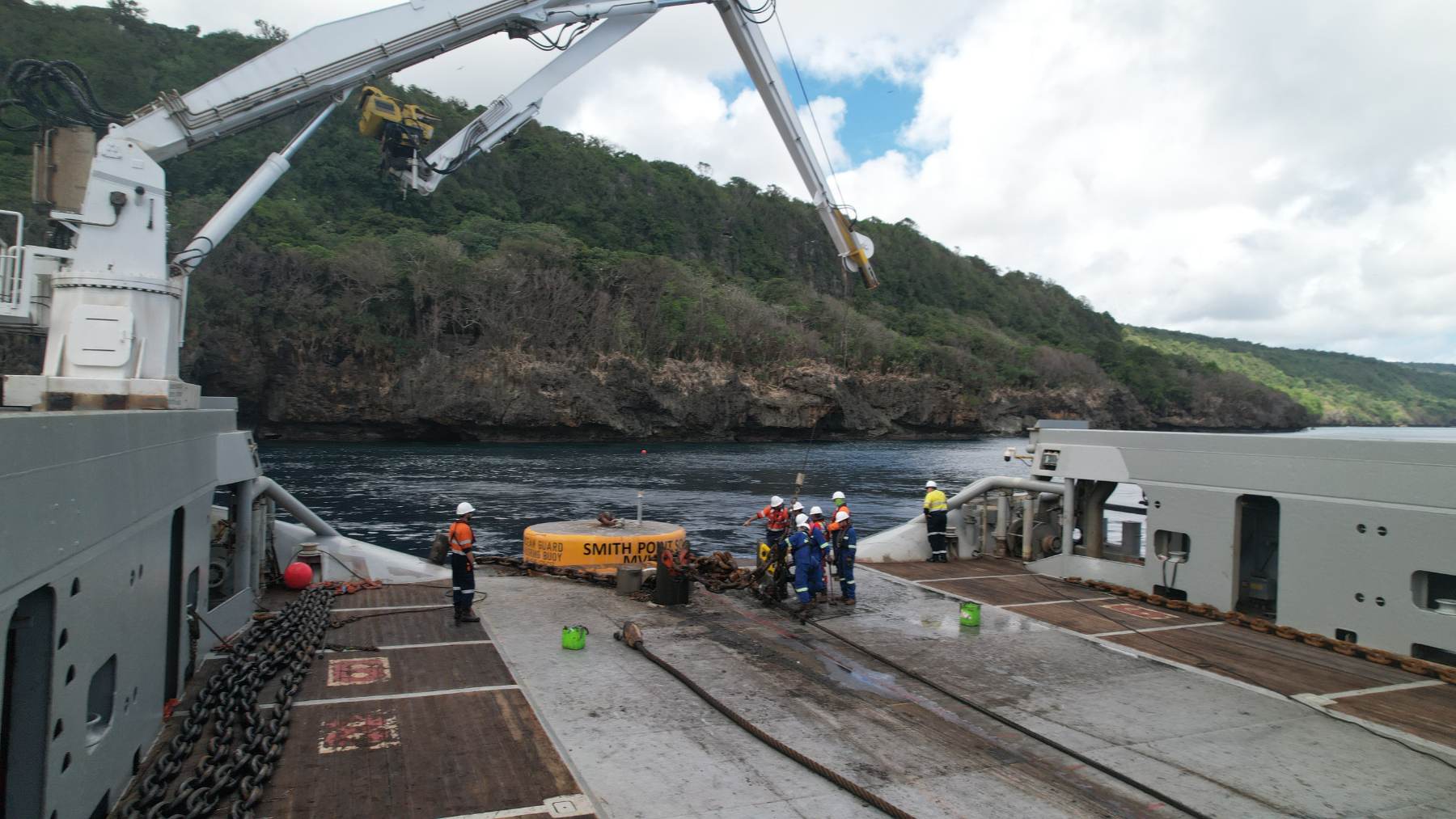
Vessel profile & risk
Hull, niches, antifouling systems and trading pattern assessed to establish where fouling actually accumulates on your vessel.

Management plans tailored to your assets and applied across your fleet, the transparent link between AFS performance, inspection, maintenance, control and continuous improvement.
A biofouling management plan and record book written for your vessel, its operational profile and the rules it sails under.
One biofouling standard across a fleet, AFS agnostic with inspection intervals, cleaning triggers and evidence handled the same way on every vessel.
A standing line to a DPIRD-registered inspector for when vessels, rules or jurisdictions change. Compliance and freedom of navigation guaranteed.
Most biofouling management plans fail in one of two directions: too generic to guide the personnel responsible for delegating the work, or too theoretical to survive an audit. We write ours from the position of the people doing the work, because we run the inspections, cleans, surveys and the record keeping ourselves. What you get is a document the crew will actually follow, and an evidence trail that holds up when a port, a class surveyor or a biosecurity officer asks for it.
A biofouling management plan and record book tailored to the asset, aligned to the IMO biofouling guidelines and specific biosecurity requirements.
Hull, niches, antifouling systems and trading pattern assessed to establish where fouling actually accumulates on your vessel.
Intervals and trigger points set against operating profile and layup, so intervention is planned rather than reactive.
Sea chests, moon pools, thrusters, gratings and shafts get their own regime, because those are the areas that fail an inspection.
A biofouling record book structured so entries are made in the field and satisfy an inspector without rework.
Australian and New Zealand biosecurity, IMO guidelines and port-specific conditions mapped to what your crew must actually do.
What happens when an inspection finds more than expected, with the decision path written down before you need it.
The BFMP Generator drafts an IMO-aligned plan from your vessel details. It is free, and a reasonable baseline before we write one properly.
A fleet does not fail an audit because one plan was wrong. It fails because ten vessels were managed ten different ways. A fleet program sets one standard that is implemented pragmatically and is measured against.
Every vessel profiled based on AFS type, niches, routes and history, so risk can be ranked instead of guessed at.
A single inspection and cleaning standard across the fleet, with standardised ratings, categorised data and reporting formats.
Inspections and cleans scheduled against operations, so work happens at the right port at the right time.
Findings, approvals and reports to specification held per vessel and across the fleet, ready when a regulator asks.
Programs succeed or fail at mobilisation. Will the port allow the work, will the equipment fit the berth, does the crew know what to record, can the work be done at a reasonable cost. We plan from that end first, then write the document around it.
Where a program is already in place, we review it against the standard it will be held to and tell you where the practice and the paperwork have drifted apart.
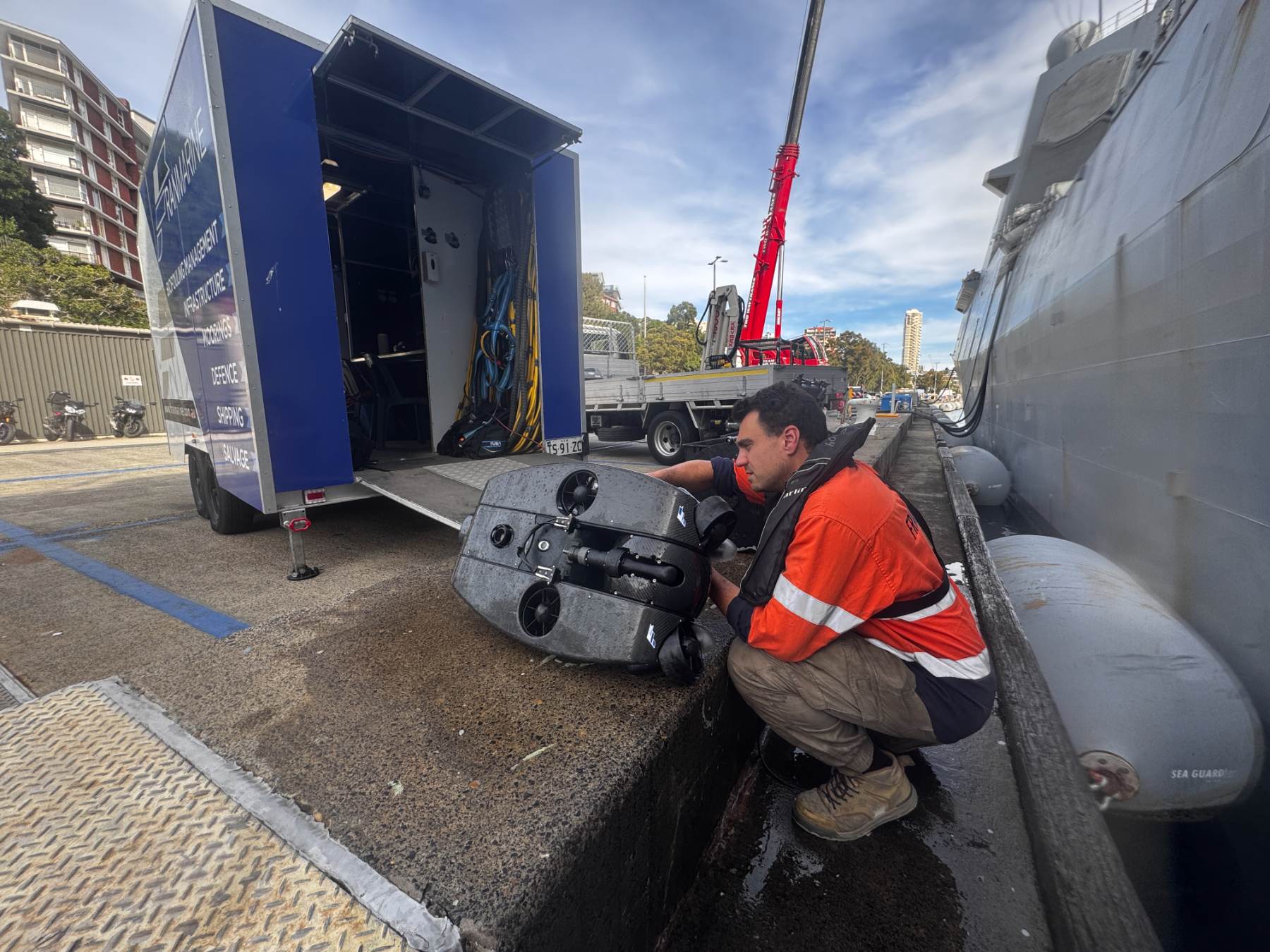
Invasive marine species work comes down to the judgement of a suitably qualified expert. Ours is named on the WA Department of Primary Industries and Regional Development register of biofouling inspectors, which is the list DPIRD points vessel managers to. Using a listed expert gives the regulator confidence the risk has been managed properly, and that usually means fewer compliance checks and delays.
Field identification of marine pests against the regional prevention lists, with the diving and ROV background to inspect the niche areas where they actually settle.
Risk assessed against jurisdictional and IMO frameworks, so a vessel's status is defensible to the regulator and the potential for delay is minimised.
Advice on how to treat what was found, plus access to the capability and capture systems to carry out the cleaning effectively and verify the result.
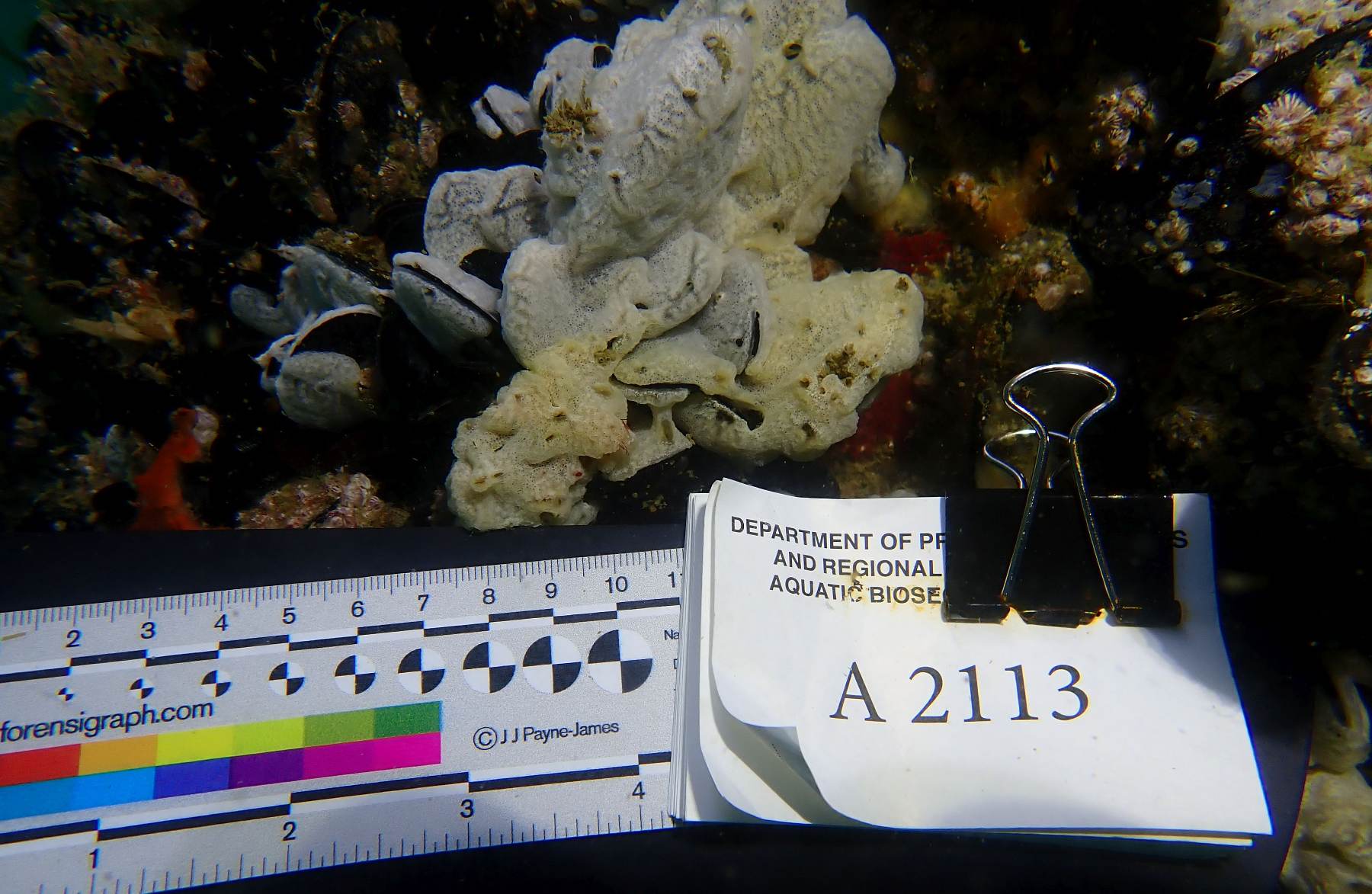
Most marine biosecurity consultancies stop at the report. They inspect, assess the risk, write the plan, hand over a recommendation and step away. You are then left finding a separate contractor to clean what was found, on a separate job, with the evidence trail split between two parties. We hold the accreditation and the delivery capability, streamlining the finding and the fix at lower cost with fewer headaches.
A plan that assumes perfect conditions is a plan that gets abandoned on the first job in the field. Ours are written by people who have mobilised in the weather, developed remediation plans in coordination with the client and port state compliance requirements, and had to produce the objective quality evidence afterwards.
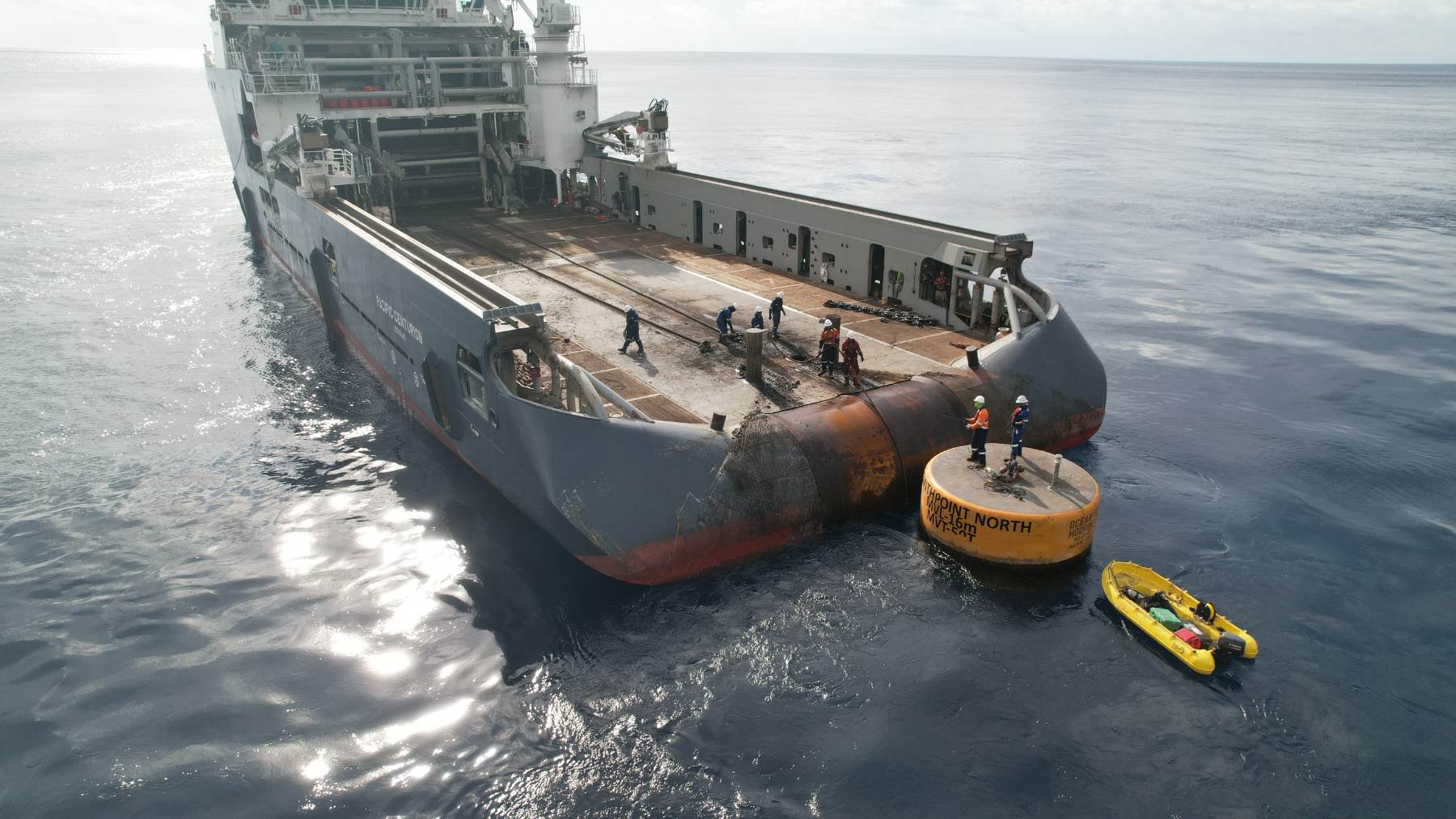
Tell us what you operate and what you have to prove. That is usually enough to scope a plan or a fleet program.