Services

Hull cleaning


We know what works, the rules and the most cost-effective in-water cleaning options at your disposal.

Without capture

Robotic hull cleaning without capture where allowed.

10μ + UV

Capture and filtration to 10 microns, then UV treatment before discharge where required.

One 20′ unit

A single container, deployable from the wharf or a support vessel alongside.

Every surface

Crawler for hull plate, niche area tools and habitats for sea chests and shafts.

Recorded

Every hull clean is fully documented, with the opportunity to view the results for yourself.

Overview

Clean the hull, keep the fouling


Open in-water cleaning releases the organisms the clean was meant to control, which is why most Australian ports restrict it. Our in-water cleaning with capture system draws dislodged material to the surface, filters it to 10μ, treats it with UV and disposes of the solids as documented waste. Nothing goes back into the water untreated.

Why it pays

Fouling shows up on the fuel bill


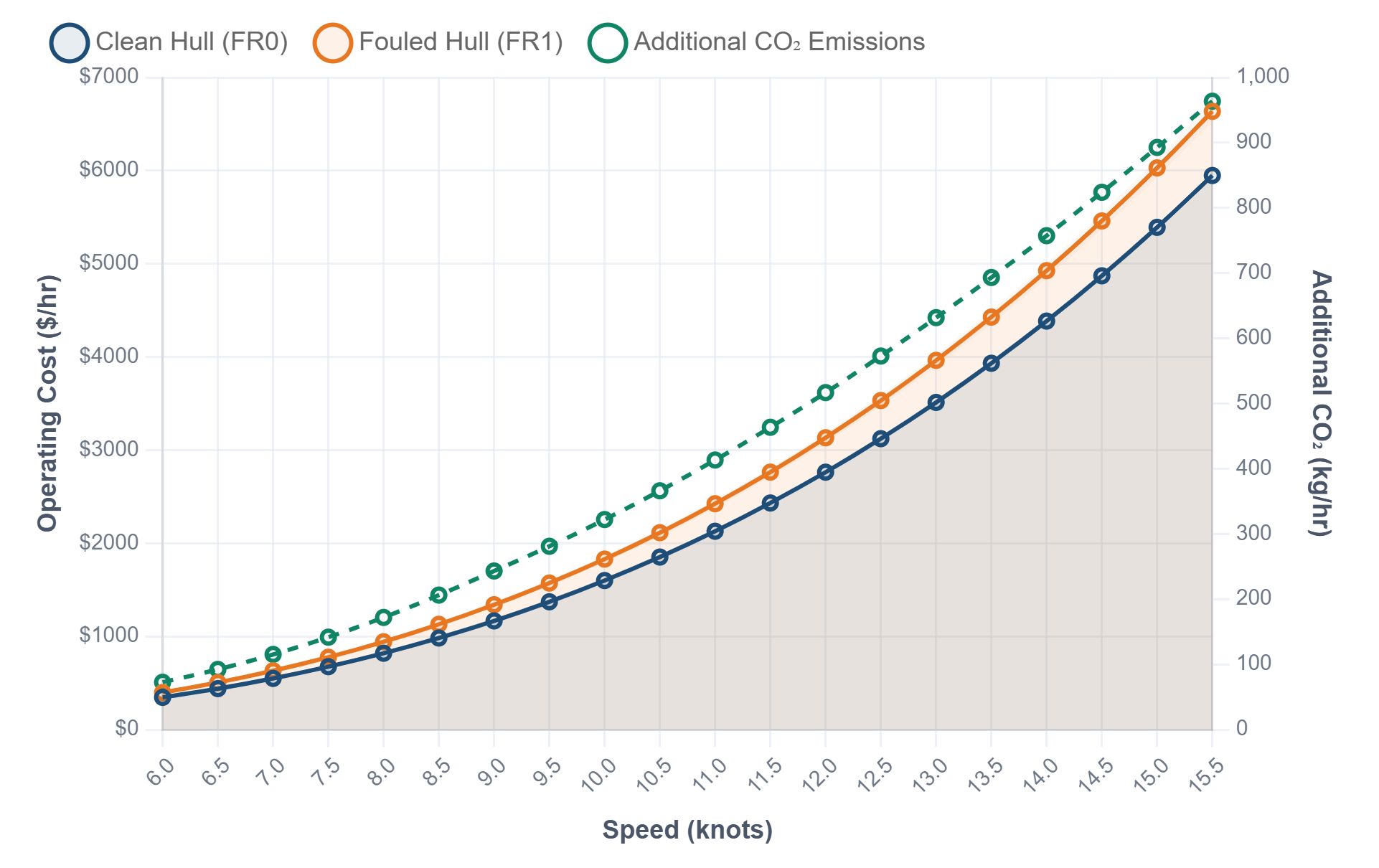
Even light slime raises hull resistance, and because resistance scales with speed cubed, the penalty compounds the faster you go. That means more fuel, more CO₂, and a vessel that no longer performs as it was designed to.

Put your own figures into the Fouling Cost Calculator, which uses the same relationship shown here.

Chart of operating cost and additional CO2 emissions against speed for clean and fouled hulls
Operating cost and additional CO₂ for a fouled hull (FR1) against a clean hull (FR0). Tap the chart to open it full size.
How a clean with capture runs

Survey to sign-off


01 · SURVEY

Fouling is rated first, so the clean is justified and the baseline is recorded.

02 · CLEAN

Robotic crawler and niche area tools work in parallel with capture running.

03 · CAPTURE

Dislodged material is filtered to 10μ and UV treated. Nothing is discharged untreated.

04 · RECORD

Before and after evidence lands in the management platform with the waste stream documented.

In-water cleaning methods

Three ways to clean, one uplift line


A robotic crawler for hull plating, diver-operated hand tools for niche areas, and dedicated capture tools for penetrations. Whichever cleaning device is on the job, its effluent returns through the same uplift line into the four-stage filtration plant.

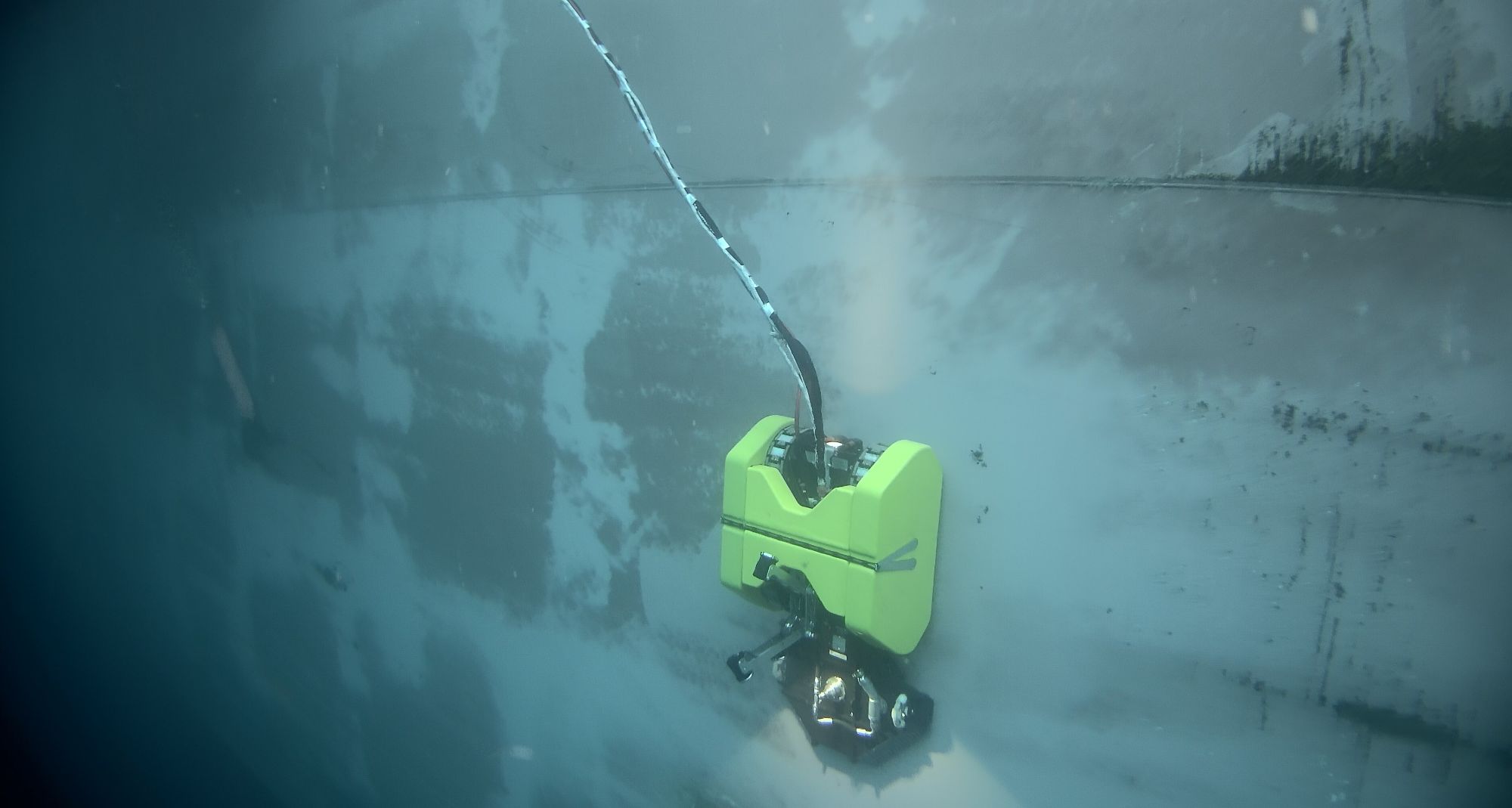
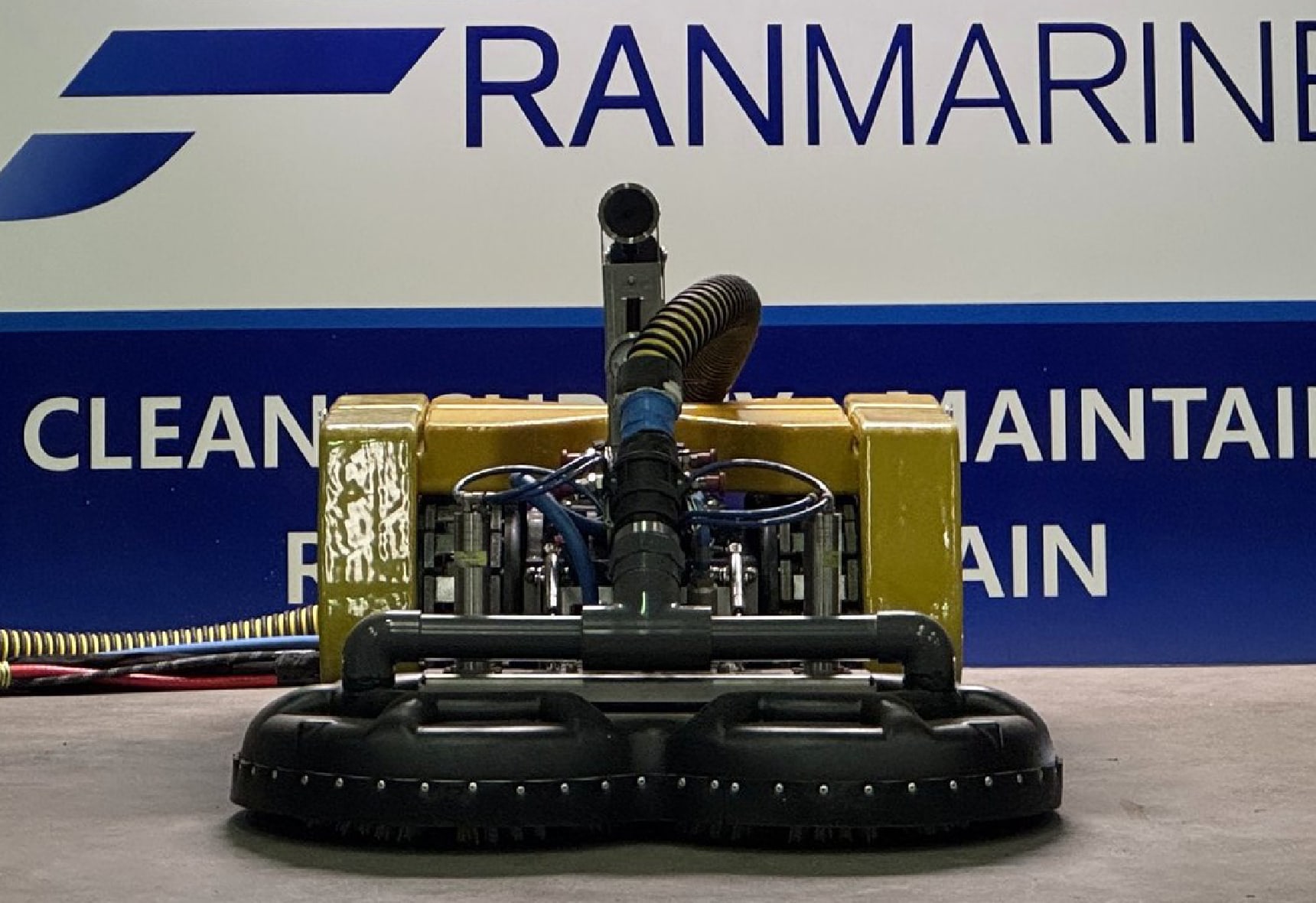
Magnetic hull crawler with cavitation cleaning head and dual capture ports
Robotic hull plating

Magnetic crawler · cavitation

Adhesion
Permanent magnetic tracks
Cleaning head
Cavitation, fresh water ≈200 bar
Capture
Custom shroud, dual ports
Recovery
≈1,200 L/min to filtration
Path width
450 mm per pass
Depth / control
60 m · tethered console

Used across defence and commercial fleets. It runs Australia's first robotic in-water hull cleaning operation with full biofouling capture.
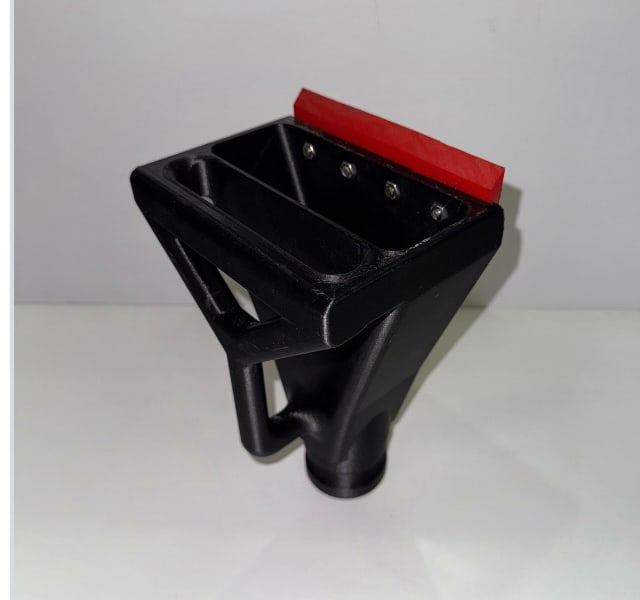
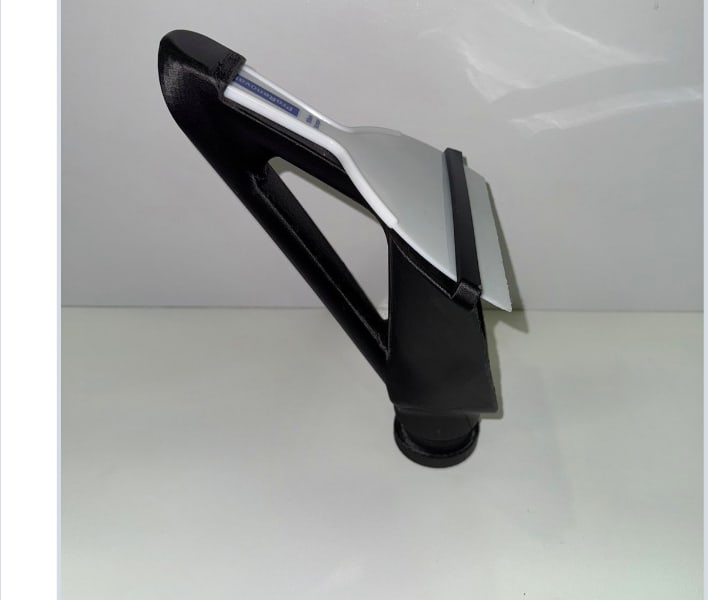
Polyurethane-bladed diver hand tool for soft fouling Nylon-bladed diver hand tool for hard fouling
Niche-area hand tools

Diver-operated · suction-through-head

PU blade
Soft fouling, delicate coatings
Nylon blade
Hard macrofouling
Blades
Push / pull, swapped underwater
Capture
Suction at the blade

Interchangeable blades let the diver match soft or hard fouling without leaving the water.

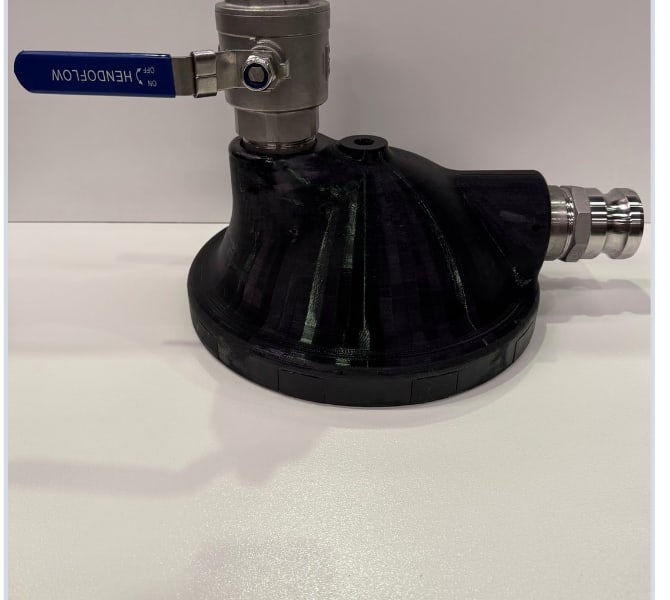
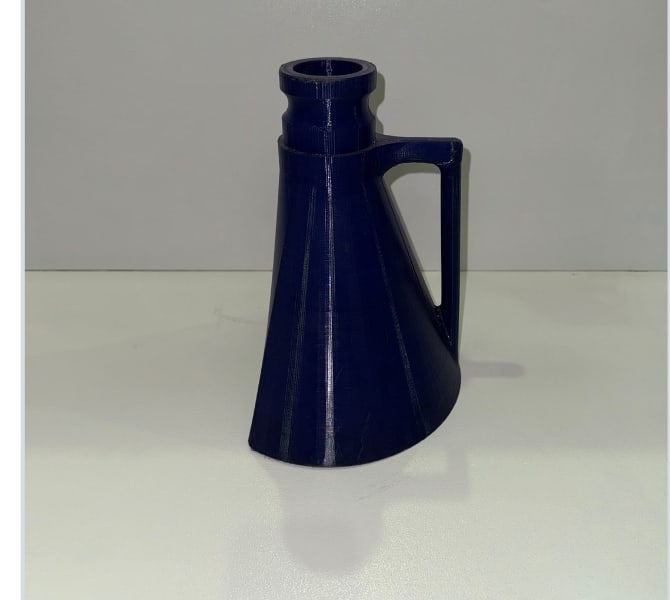
Valve-isolated rotary capture cup for overboard discharges Tapered suction nozzle for reaching recesses and crevices
Penetration & OBD

Capture cups · taper nozzles

OBD tool
Valve-isolated rotary cup
Targets
Overboard discharges, intakes
Taper nozzle
Recesses and crevices
Connection
Camlock to uplift line

Dedicated capture tooling for penetrations a crawler or blade cannot seal against.

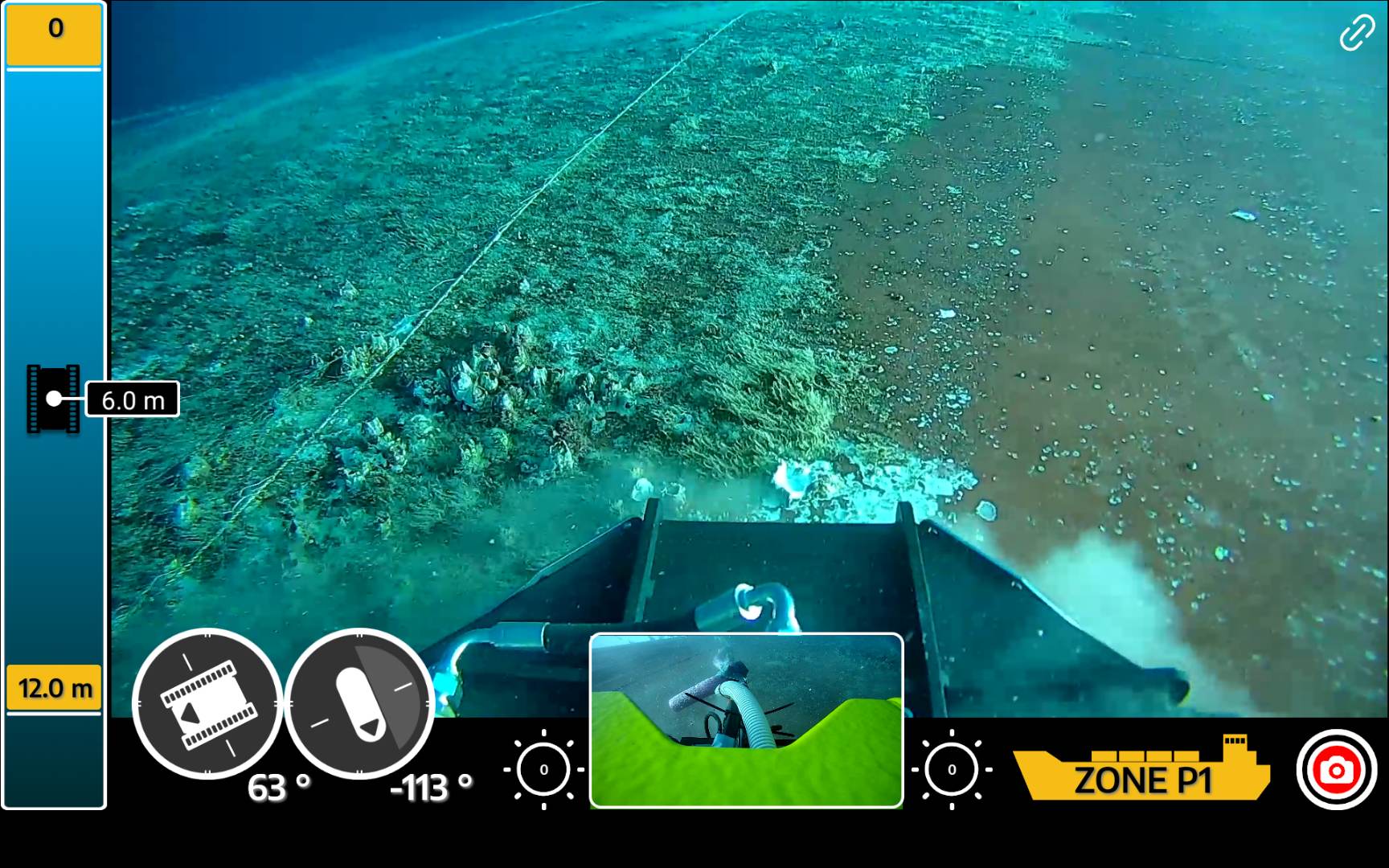
Live cleaning telemetry showing the boundary between fouled and cleaned hull
Mid-clean telemetry showing the boundary between fouled and cleaned plating.
The capture system

Four stages, no bypass


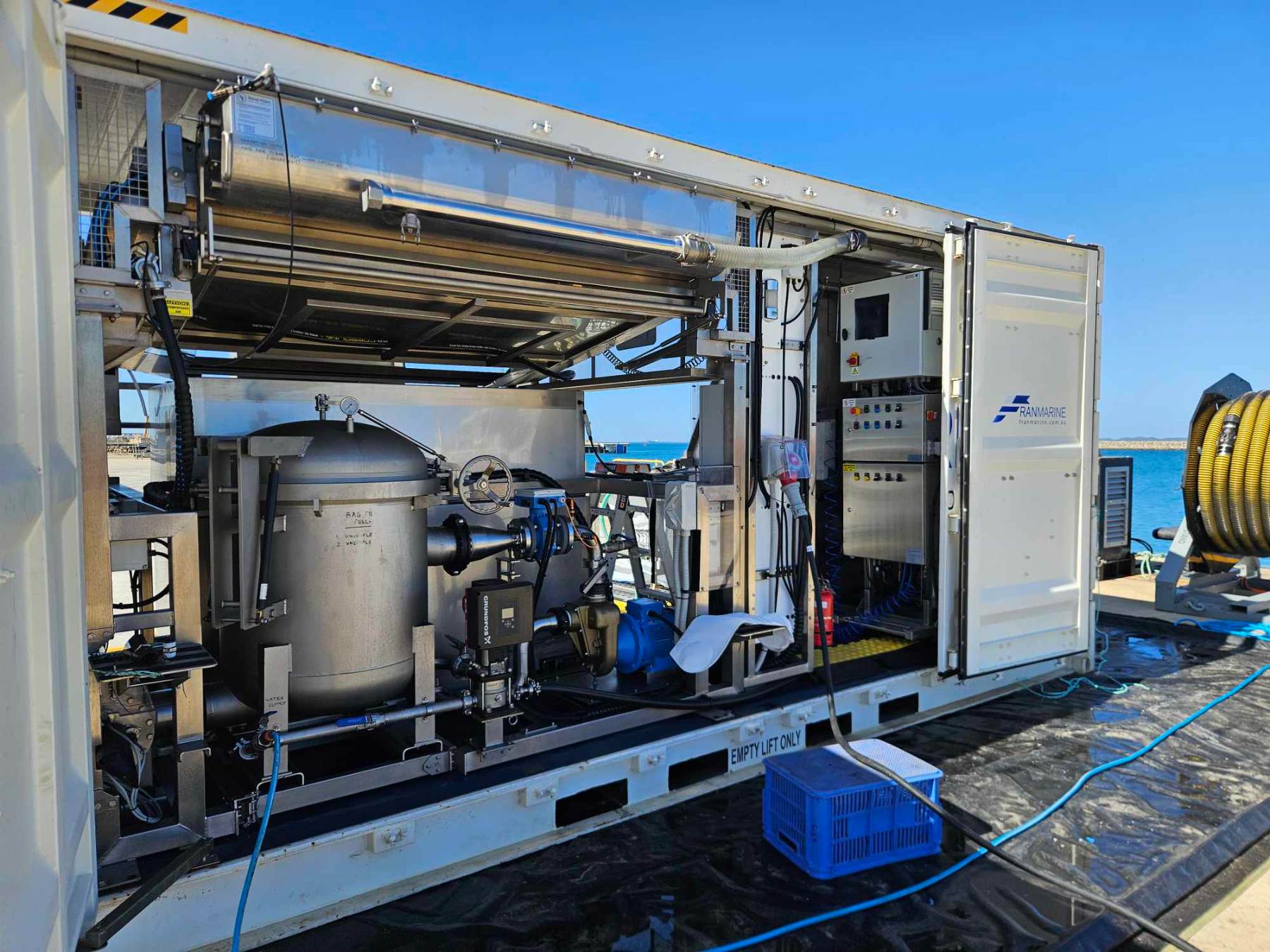
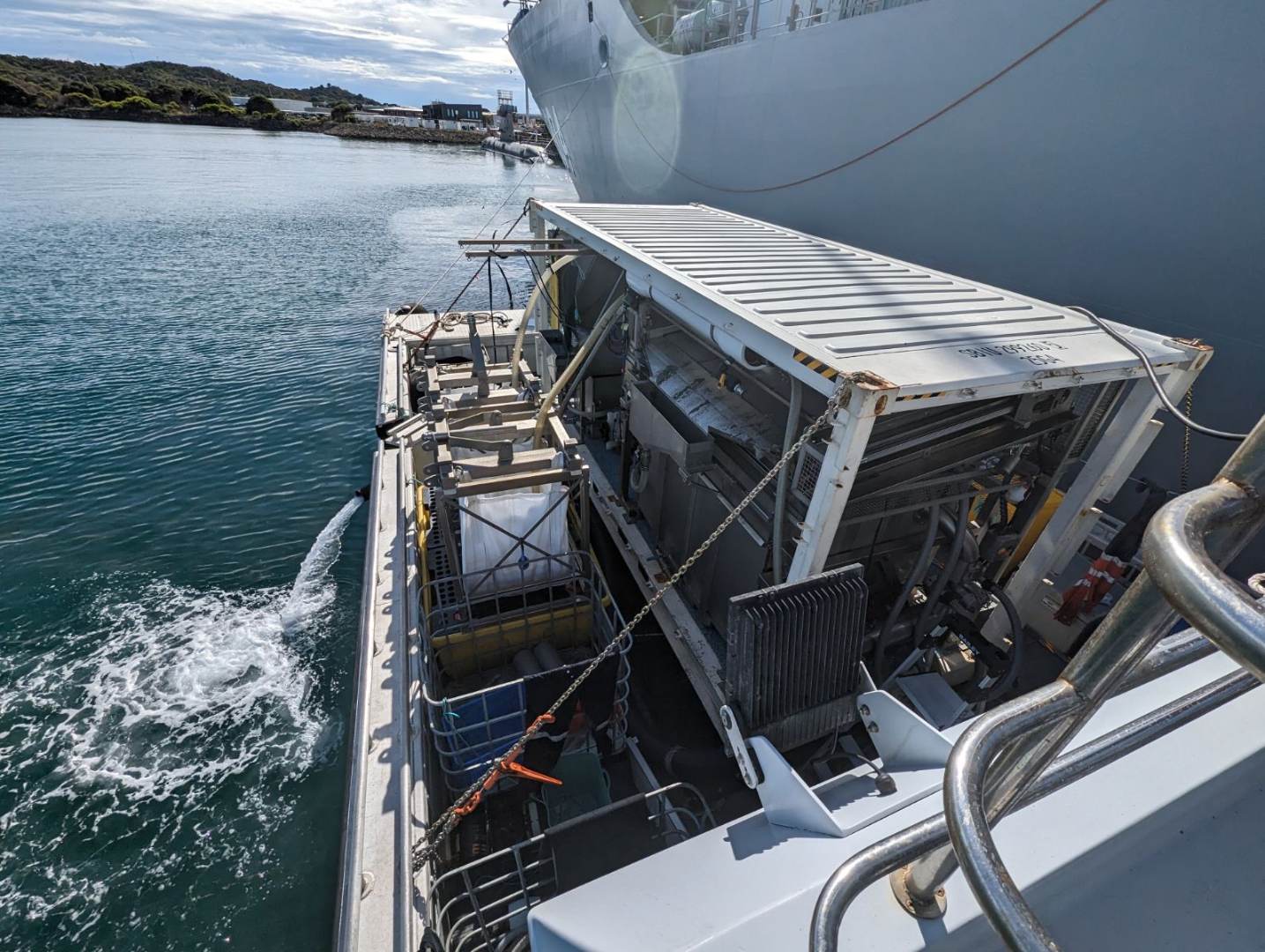
Effluent is lifted to a single 20′ container and passes through four filtration stages before it returns to the harbour. There is no bypass line, so every drop goes through every stage. Solids leave the site as documented waste.

01 Bow screen

Coarse solids separated to a catch bag; filtrate drains to the bund.

Self-cleaning · never blinds 02 25 μm screen

Self-cleaning micro-screen swept continuously by twin spraybars.

03 Bag filter

Eight parallel housings polish the stream down to 5 μm.

04 UV disinfection

Quartz-sleeved UV array inactivates organisms before discharge.

Open containerised filtration plant with stainless vessel and pumps on a wharf
The plant runs from the wharf or a support vessel alongside.
Filtration barge returning treated water to the harbour beside a vessel
Treated water returning to the harbour at 3.8 ppb dissolved copper or less.

The same unit supports biofouling inspection and diver operations. If you are running your own cleans, the full specification is on the ROV and equipment sales page.

Next step

Scope a compliant clean

Tell us the vessel, the port, and the fouling state if you know it. We will confirm the method and what the record has to show.