Fleet register
Every vessel profiled with antifouling system (AFS), niche inventory, trading pattern and biofouling history in one place.

Biofouling and underwater asset management across a whole fleet. One standard, one record per vessel, and a centralised compliance record that is ready before anyone asks for it.
Every survey, clean and approval held against the asset, not scattered across inboxes.
Inspection and cleaning intervals tracked across the fleet, before anything falls overdue.
Owner, operator, class and regulator review the same evidence at the same time.
The objective quality evidence and compliance pack for any vessel and any period, generated rather than assembled.
Single-vessel compliance is a document problem. Fleet compliance is a coordination problem: different ports, different contractors, different record-keeping, and no single view of which vessel is due for what. Putting every vessel on one standard and one record turns the fleet's position into a real-time dashboard you can trust, instead of a fortnight of chasing people for attachments.
Every vessel profiled with antifouling system (AFS), niche inventory, trading pattern and biofouling history in one place.
Inspection and cleaning intervals set per vessel and tracked centrally, with trigger points tied to the management plan.
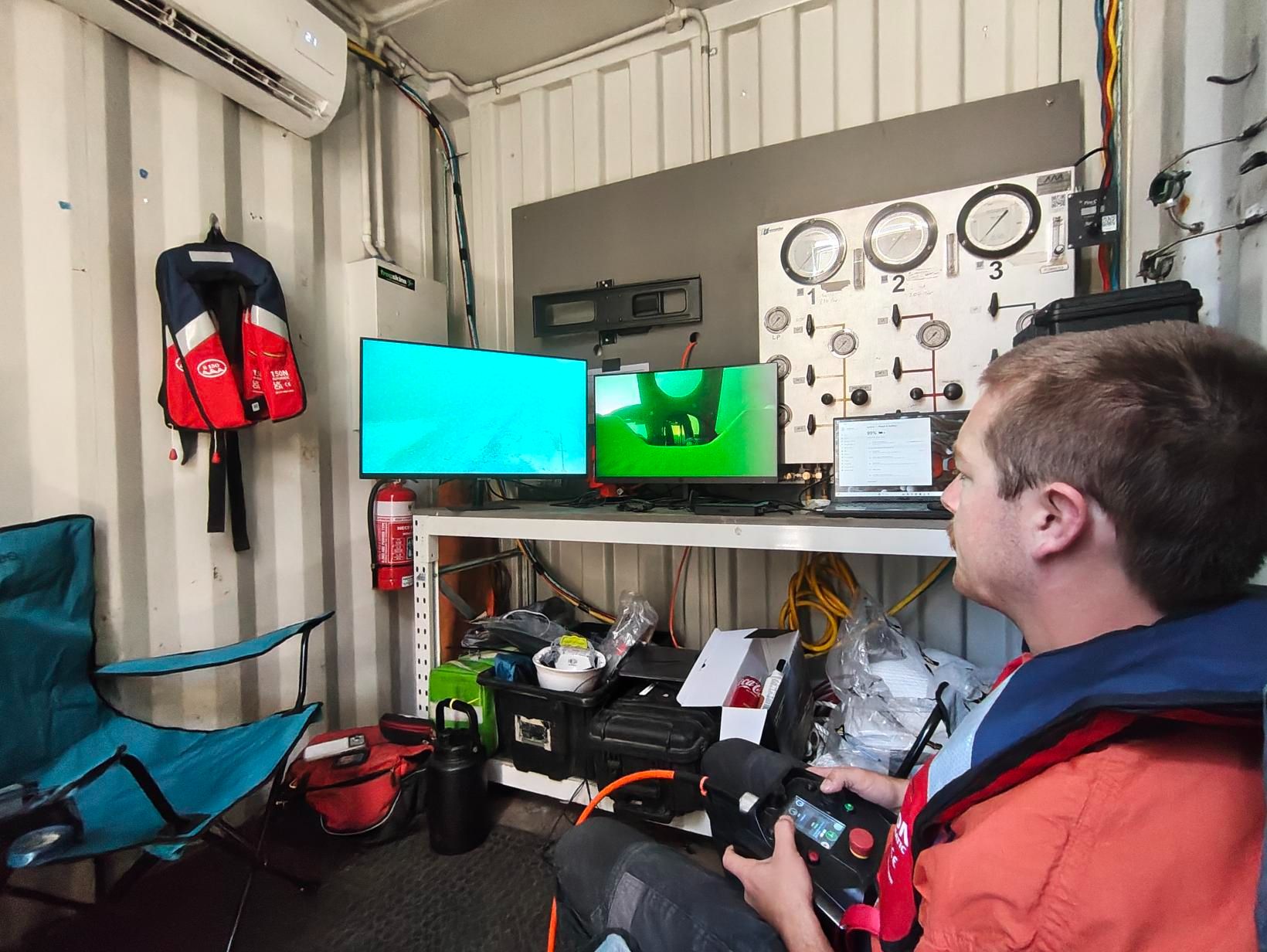
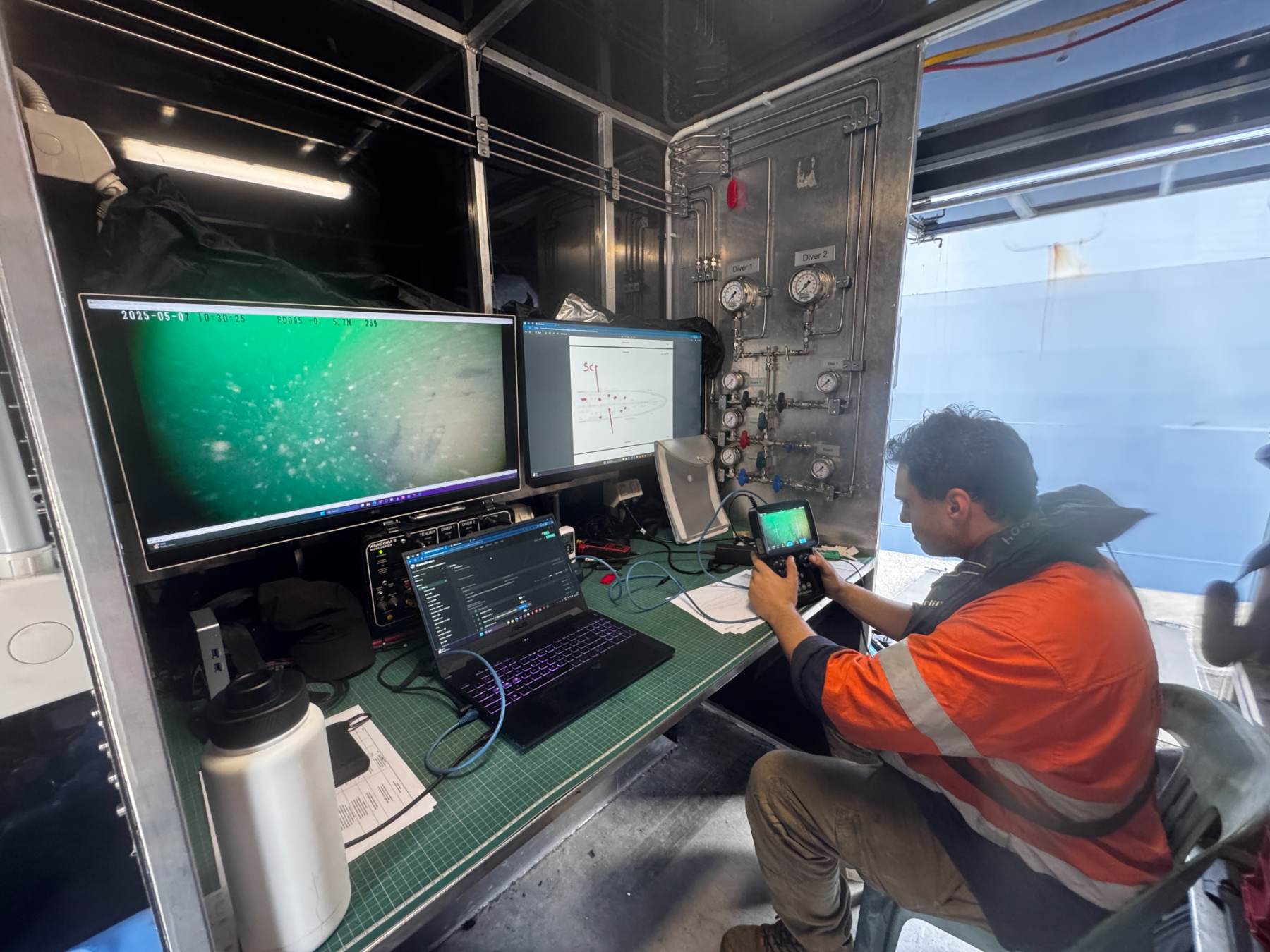
Field teams record AFS efficacy, fouling ratings, photos and video once, from a phone, tablet or dive control, straight onto the job record.
Multi-party review with permission levels, so approvals run in parallel instead of down an email chain.
Biofouling record books, inspection reports and compliance packs generated from the work already recorded.
Fouling condition tracked against fuel burn and schedule, so cleaning spend can be compared to fuel savings.
Vessels, plans and history brought onto the platform, with the standard set once.
Inspections and cleans run to plan, whether the crew is ours, yours or a contractor's. All of them record the same way.
Stakeholders review the live record in parallel and approve against what they saw.
Per-vessel and fleet-wide reporting produced on demand for owners, class and regulators.
You do not have to use our personnel. Work delivered by your own teams or a third-party contractor records the same way, against the same standard, on the same vessel record. What matters is that there is one version of each vessel's history.
If you would prefer MarineStream to manage and coordinate inspections and interventions across the fleet while you observe the work, let us know.
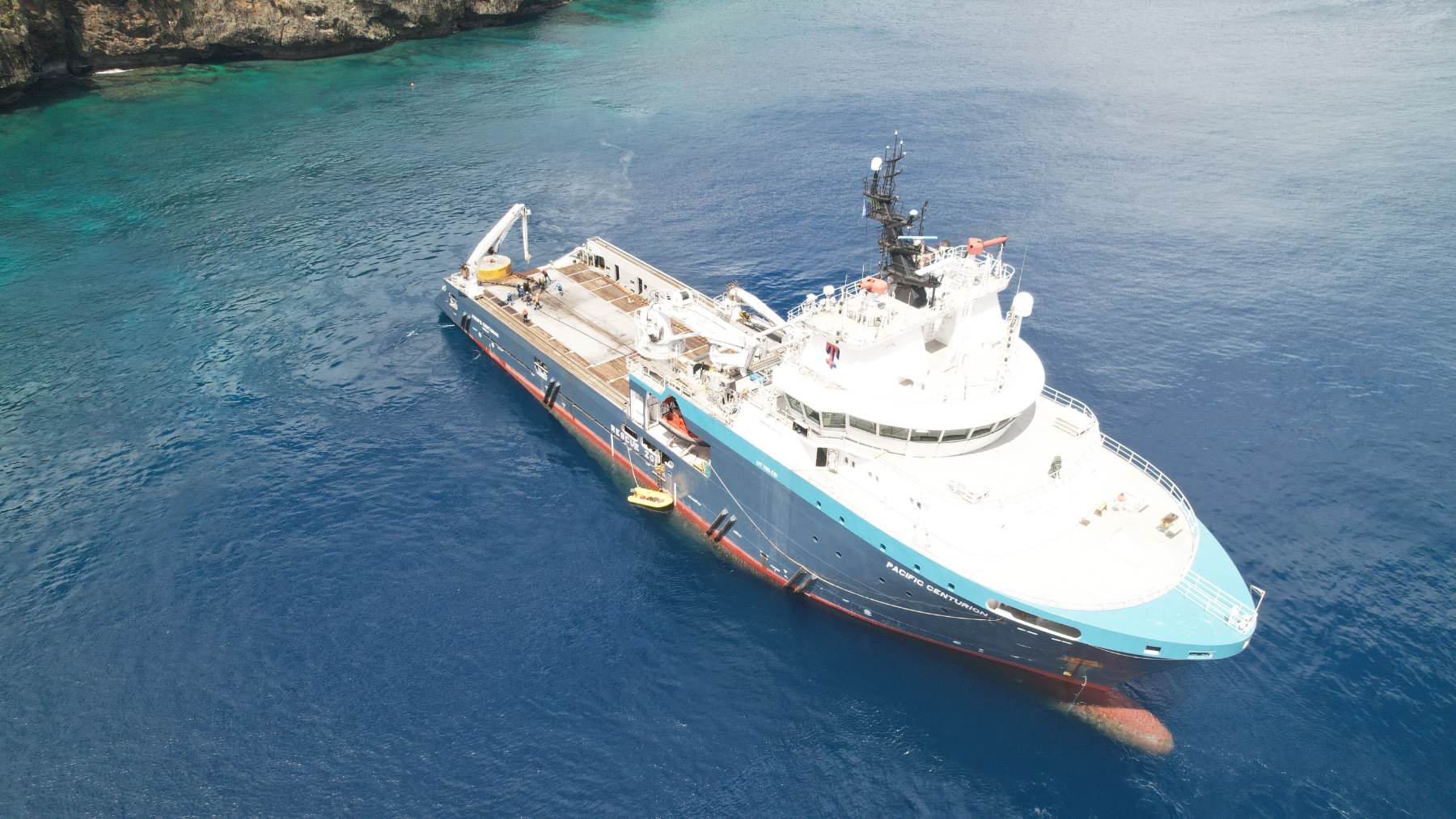
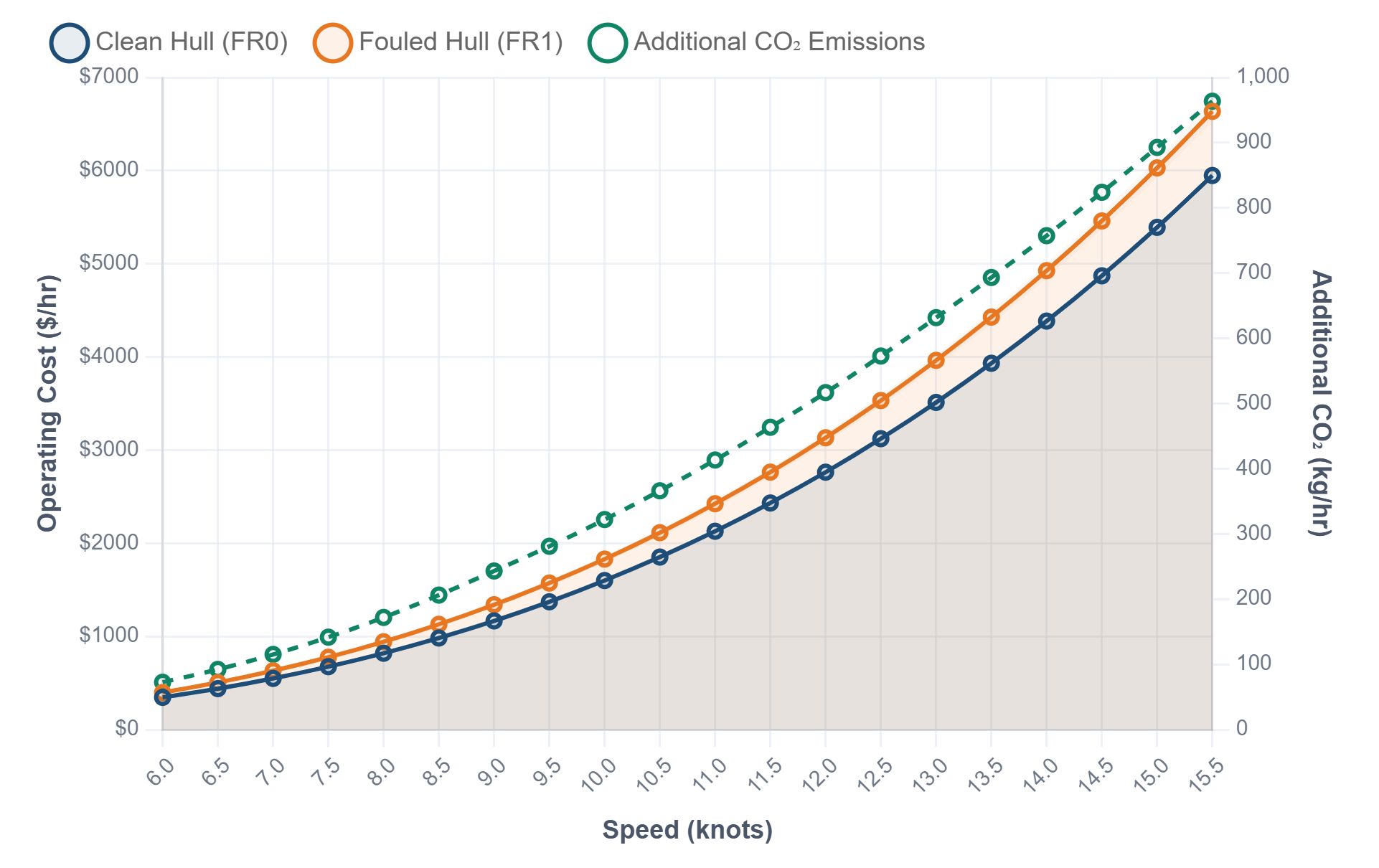
Hull condition shows up in fuel burn long before it shows up in a compliance finding. Tracking it across the fleet turns cleaning from an unplanned cost into a decision you can defend with numbers: when to clean, which vessel first, and what it saved.
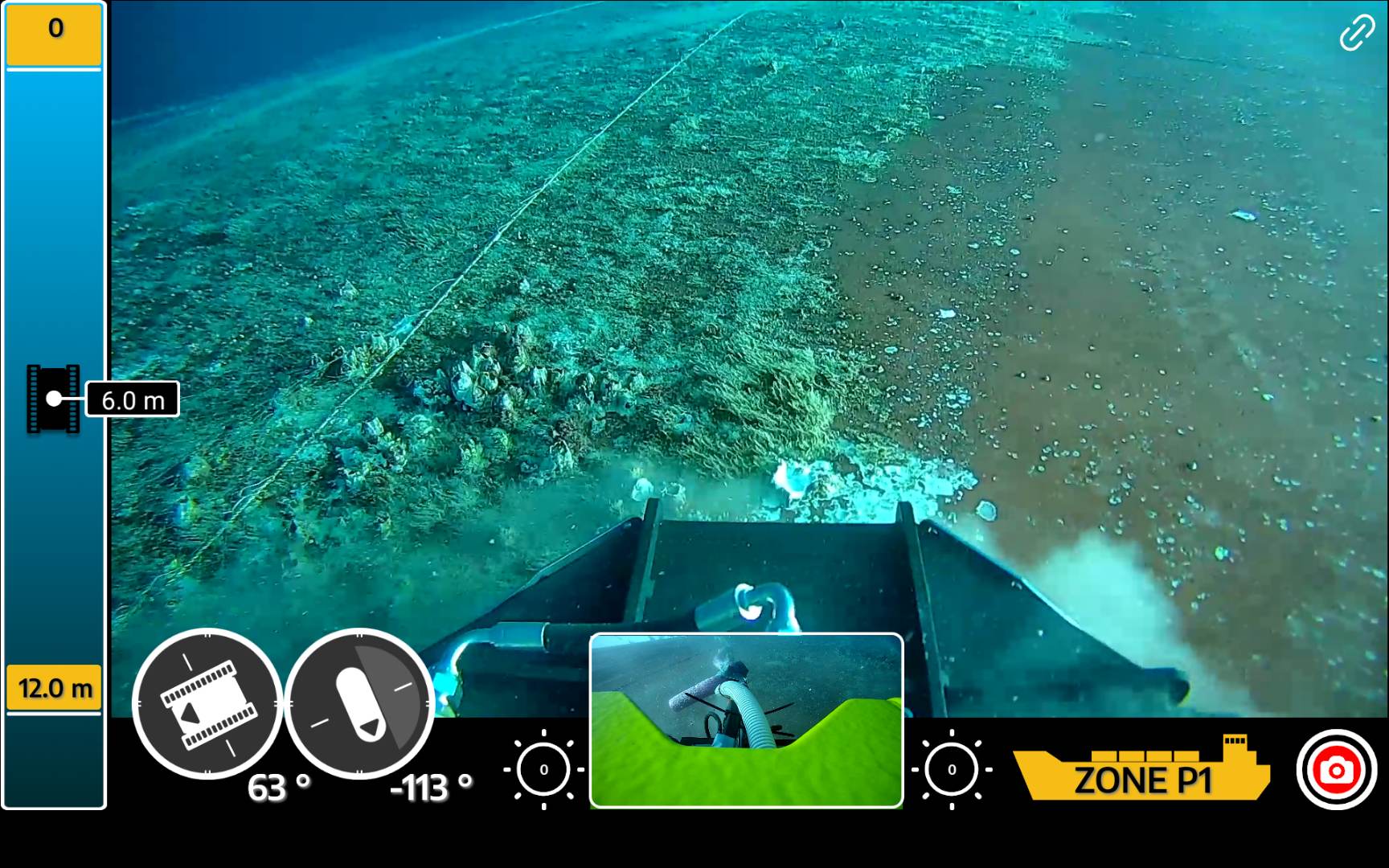
Telemetry, ratings and imagery land against the vessel while the job is still running. Nothing has to be reconstructed afterwards from memory, a camera roll and a spreadsheet, which is where fleet records usually fall apart.
Tell us the size of the fleet and what you have to prove. We will show you what it looks like on one record.