
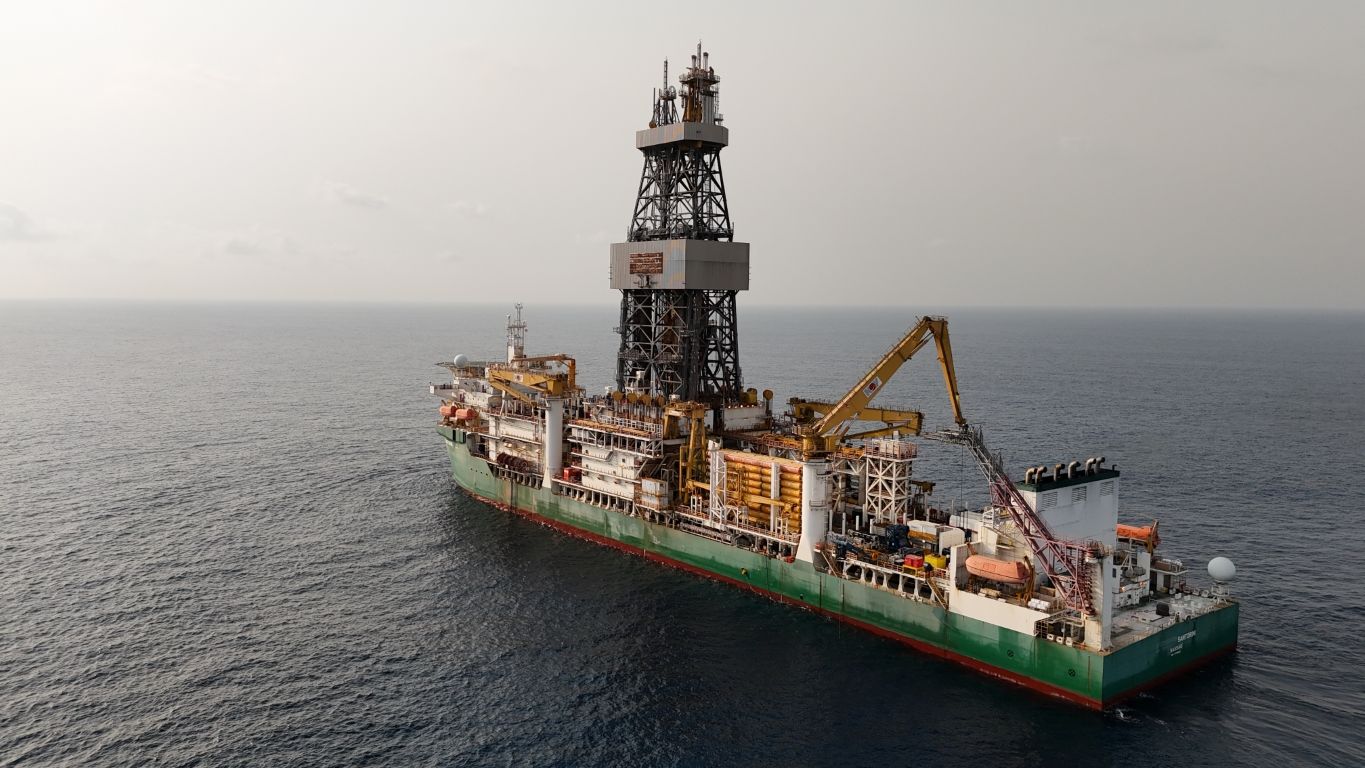
Class survey
Underwater survey to classification society requirements, including survey in lieu of drydocking. The surveyor attends live and the objective quality evidence meets the technical requirements of the society.
Survey in lieu of drydocking on ships and mobile offshore units by diver or ROV, planned with class so the vessel keeps trading.
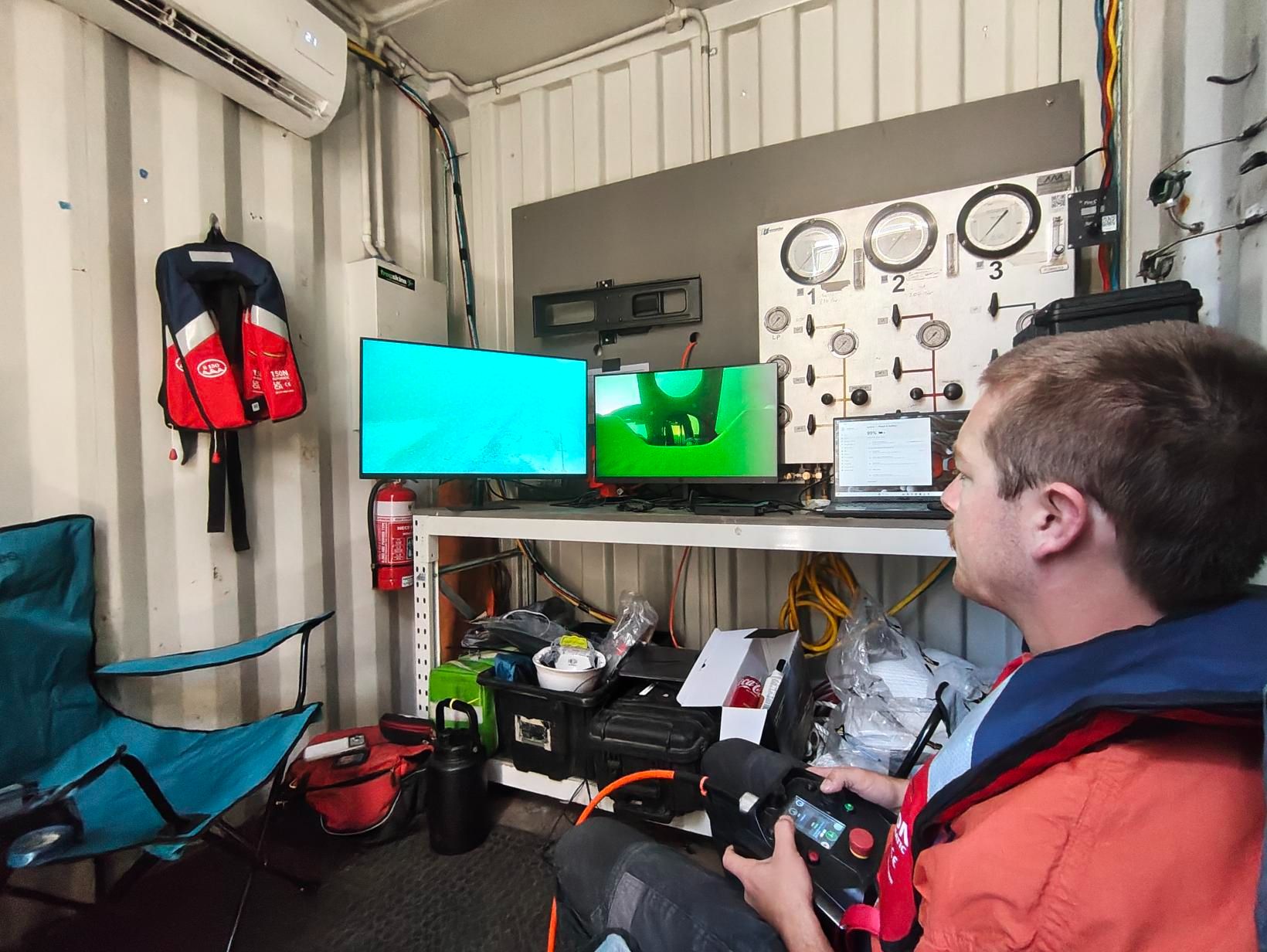
The class surveyor watches the survey as it happens, from the wharf or from their office.
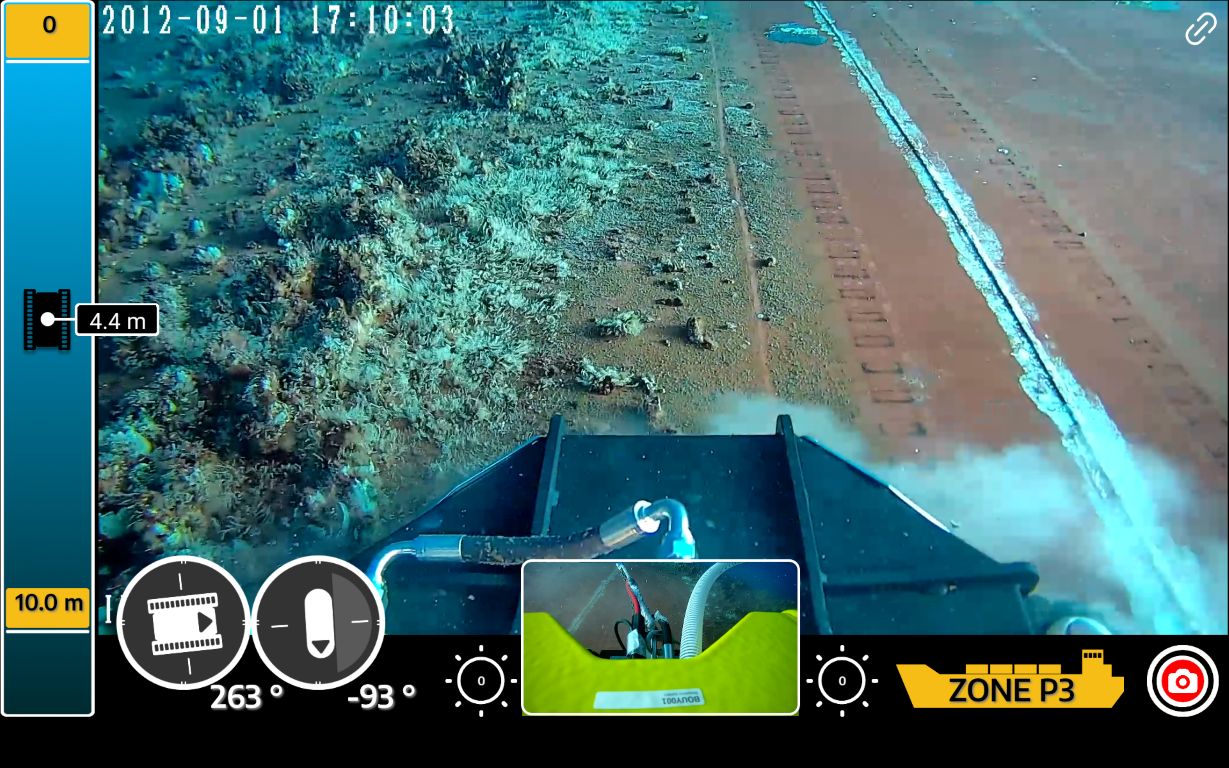
Positioned, timestamped imagery of every item on the survey scope and OQE to specification.
Hull cleaning to establish viability of the substrate with cameras and live stream for survey. Both objectives are met simultaneously and verifiable on the single record.
Keep the survey, skip the drydock
Most of the pain in a class survey is scheduling, not technique. An in-water survey keeps the vessel trading and the certificate current, as long as the evidence meets the society's requirements. We agree the scope with class before mobilising, survey to specification with positioning on every frame, and hand over a report that does not come back with questions.

What gets covered
- Hull plating, welds and coating condition
- Rudder, stock and pintle clearances
- Propeller, boss and rope guard
- Sea chests, gratings and internal inspection
- Bow and stern thruster tunnels
- Anodes, earthing straps and cathodic protection
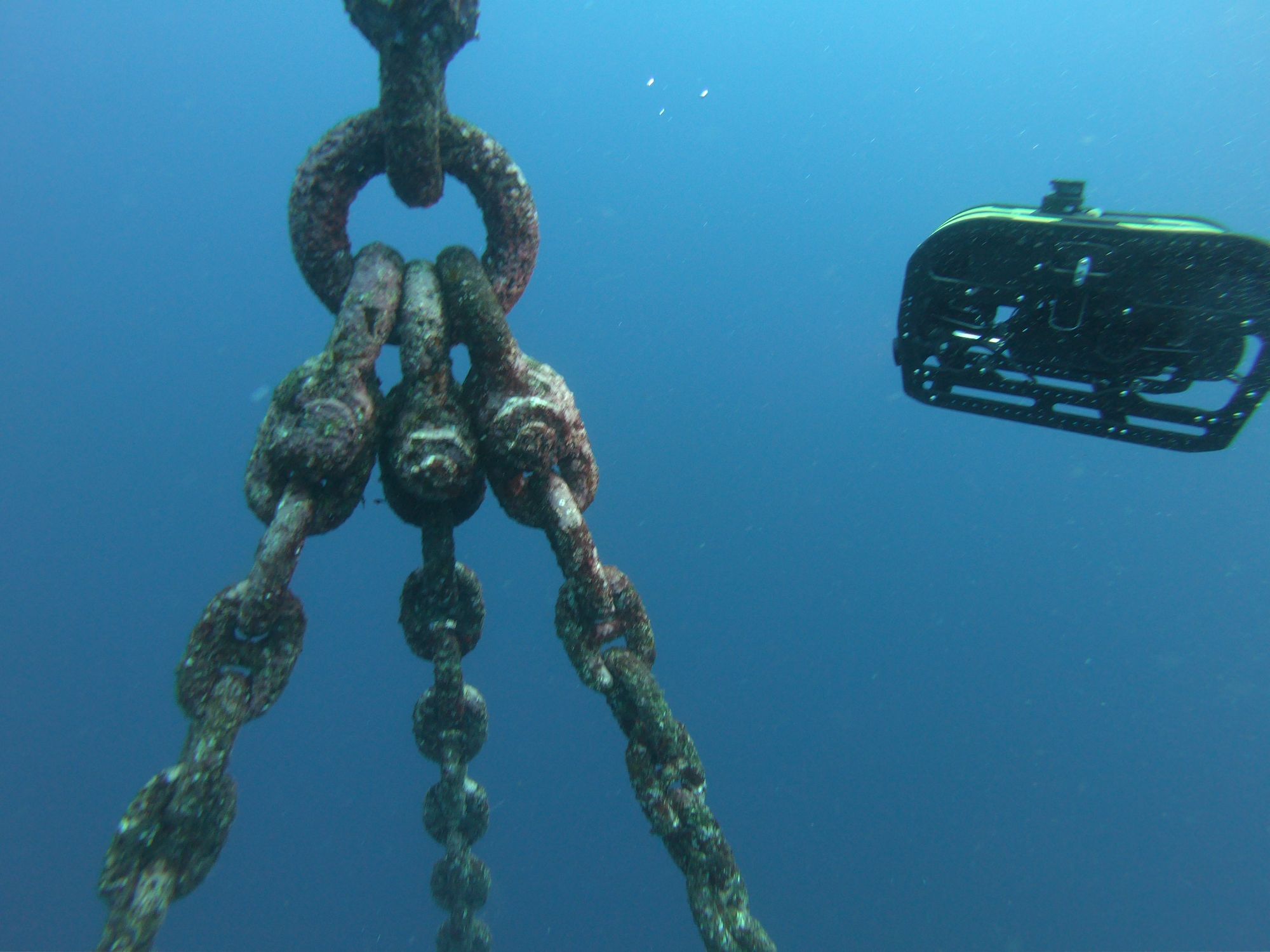
- Anchors, cables and mooring chain
- Submerged structures, jetties and infrastructure
We apply the same level of technical diligence to all inspections. The objectives and specifications are set by the authorities, and we reverse engineer workflows to meet specific requirement.
Four steps, one pack
Survey items, coverage and evidence format agreed with the society before mobilisation.
ROV or dive team deploys at berth or anchorage. No drydock booking and no deviation.
Each item covered systematically with position, depth and heading recorded on every frame.
Footage, stills and findings compiled into the survey pack the society accepts.
The surveyor sees it live
A surveyor who watches the survey happen from the comfort of their office without distractions from site, asks their questions while the ROV is in motion. That removes the most expensive part of an in-water survey: the potential of a second mobilisation to answer a query raised weeks later against edited footage.
Owners, superintendents and flag can join the same session. Everyone signs off against the survey they watched in real-time.
Infrastructure and moorings
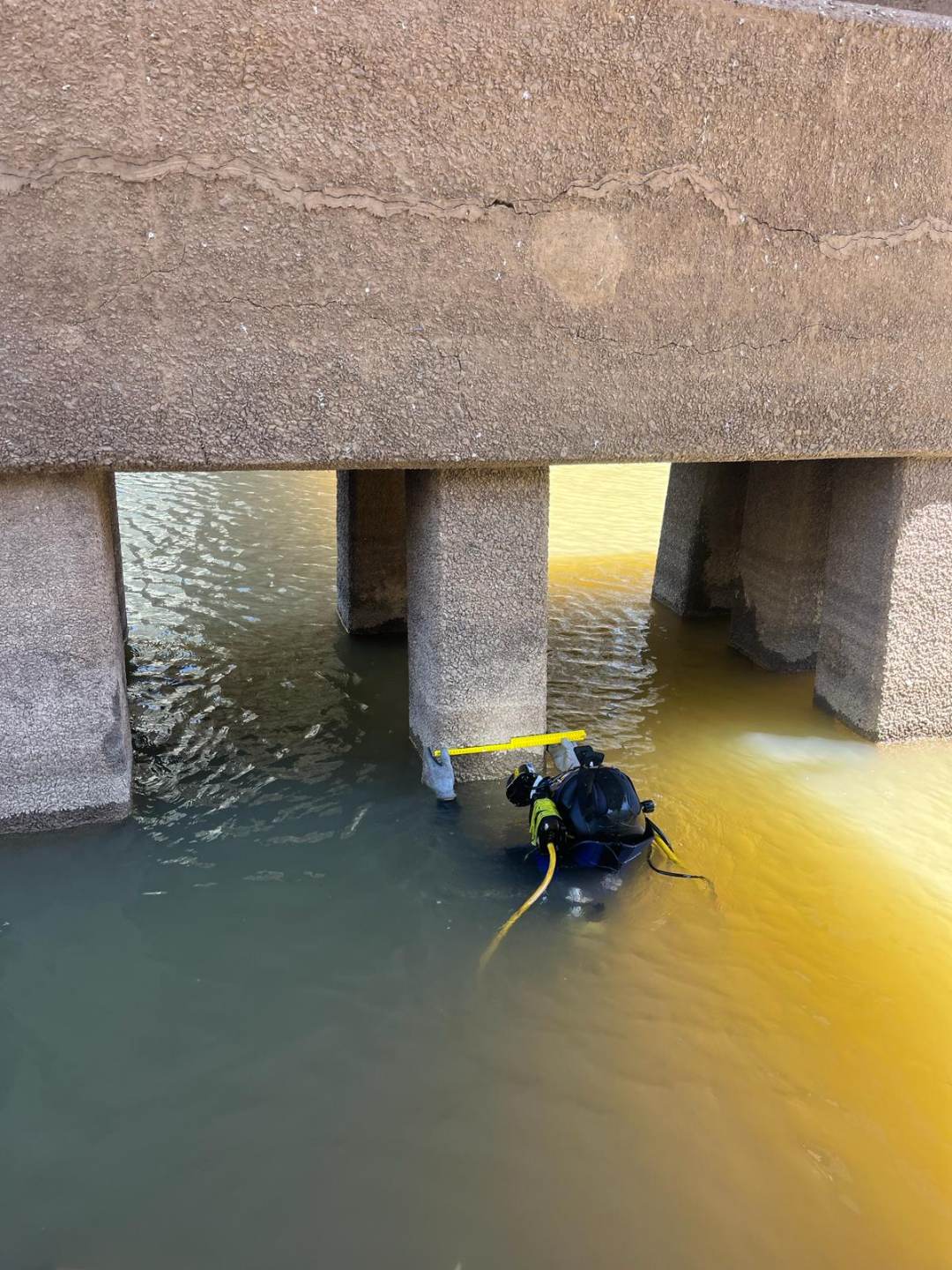
The same method applies to fixed assets: wharf structures, piles, bridge foundations, moorings and submerged infrastructure. Condition is assessed against whatever standard the asset is held to, and the evidence is captured accordingly.
Planning a survey window?
Tell us the vessel, the society and the survey type. We will confirm what can be done in water and what the pack has to contain.