
Inspecting Hulls Without a Drydock: What the Fremantle Ports Trial Showed
24 July 2025 · MarineStream
Hull inspections have always been expensive and awkward. Send divers into murky port water and you get inconsistent results and a safety case to manage. Pull the vessel out for drydocking and you lose it for weeks. Neither scales well across a fleet.
 Preparing ROV systems before an underwater inspection.
Earlier this year we ran a trial with Fremantle Ports and the Department of Primary Industries that we believe was the first voluntary assessment against Australia's proposed Anti-fouling Guidelines. It happened in port waters, where cleaning is normally prohibited.
The subject was the pilot vessel Paddy Troy, with third-party environmental monitoring by O2 Marine. ROVs did the underwater inspection, assessing biofouling and environmental risk as the work happened.
The problem with how it was done before
Drydock capacity is limited and getting more so, the cost is significant, and the vessel is out of service while it is in there. The alternative, divers in poor visibility with dated equipment, carries safety risk and produces results that vary between jobs and between operators.
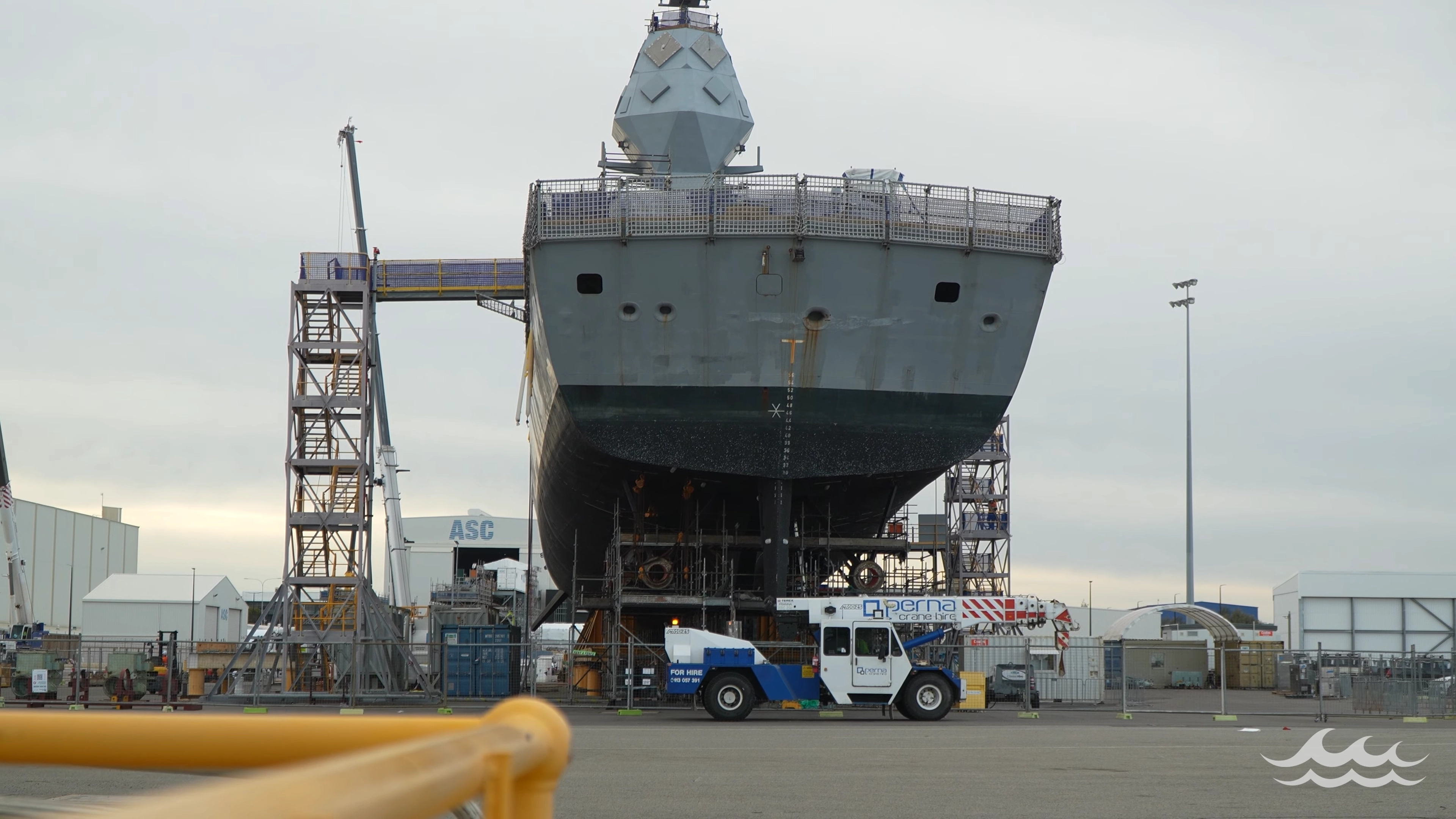 Drydocking: expensive, slow, and increasingly hard to book.
The regulations are not making it easier. Australia, Brazil and New Zealand have all tightened biofouling requirements, which means operators need compliance documentation that holds up. A failed inspection can mean a port denial, and a port denial is expensive.
What we used instead
The approach combines ROVs with the software that records what they see. Rather than relying on divers for everything, we deploy Deep Trekker REVOLUTION and PIVOT systems, fitted with 4K cameras, sonar and positioning.
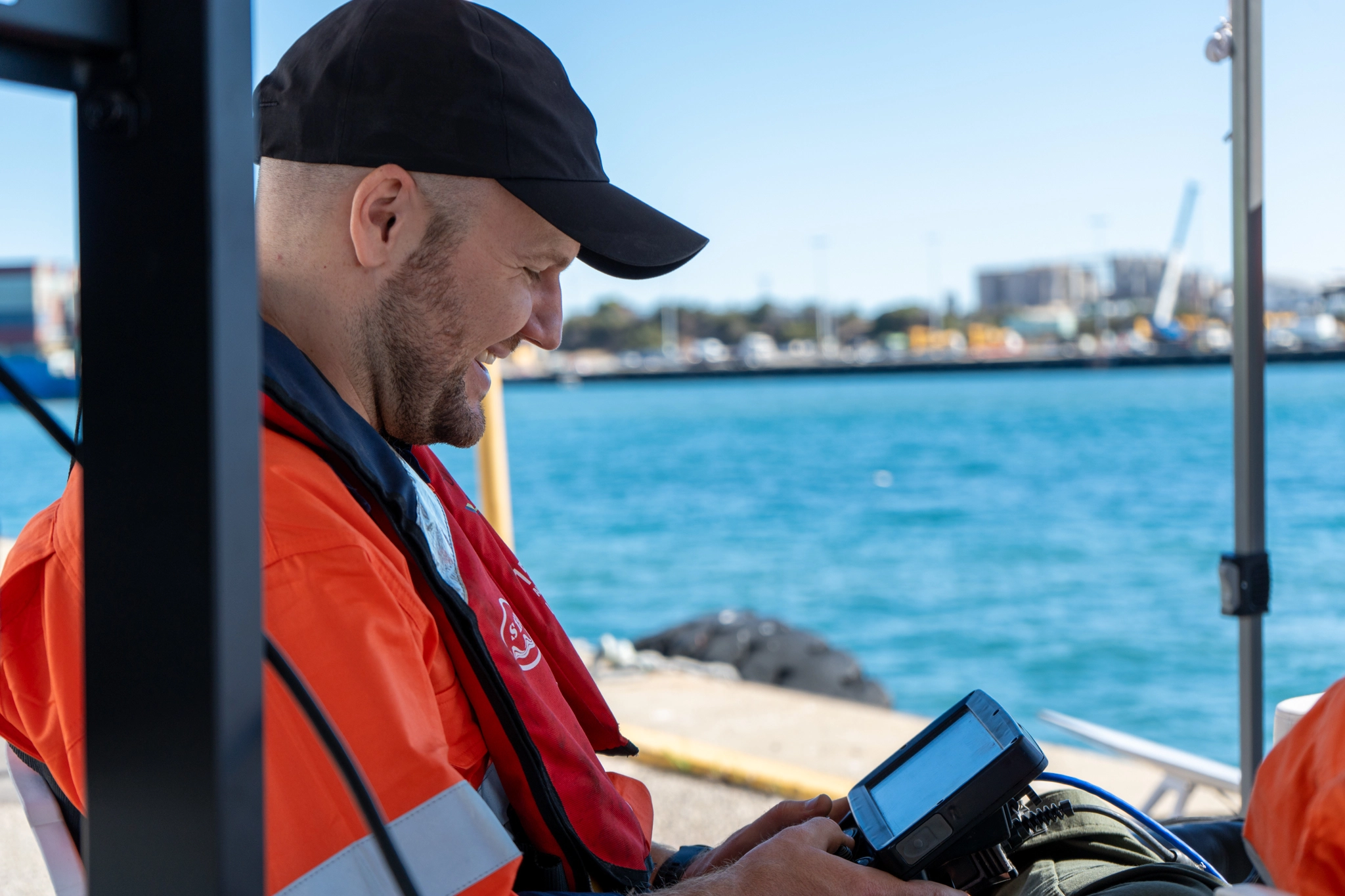 Marc piloting an ROV during a hull inspection.
The time difference is significant. A job that used to take 8 to 10 hours takes about 3, which means several inspections in a day rather than one. Image quality holds up even in murky port water.
"When using ROVs, you remove people from hazards," says CEO Adam Falconer-West. "ROVs handle the monotonous, repetitive work while divers focus on specialized tasks that require human expertise."
What the trial produced
Mat Harvey and the team completed a full pre-clean inspection in 45 minutes. The ROV fed directly into the MarineStream platform, which produced the report with photographic evidence attached. No divers entered the water.
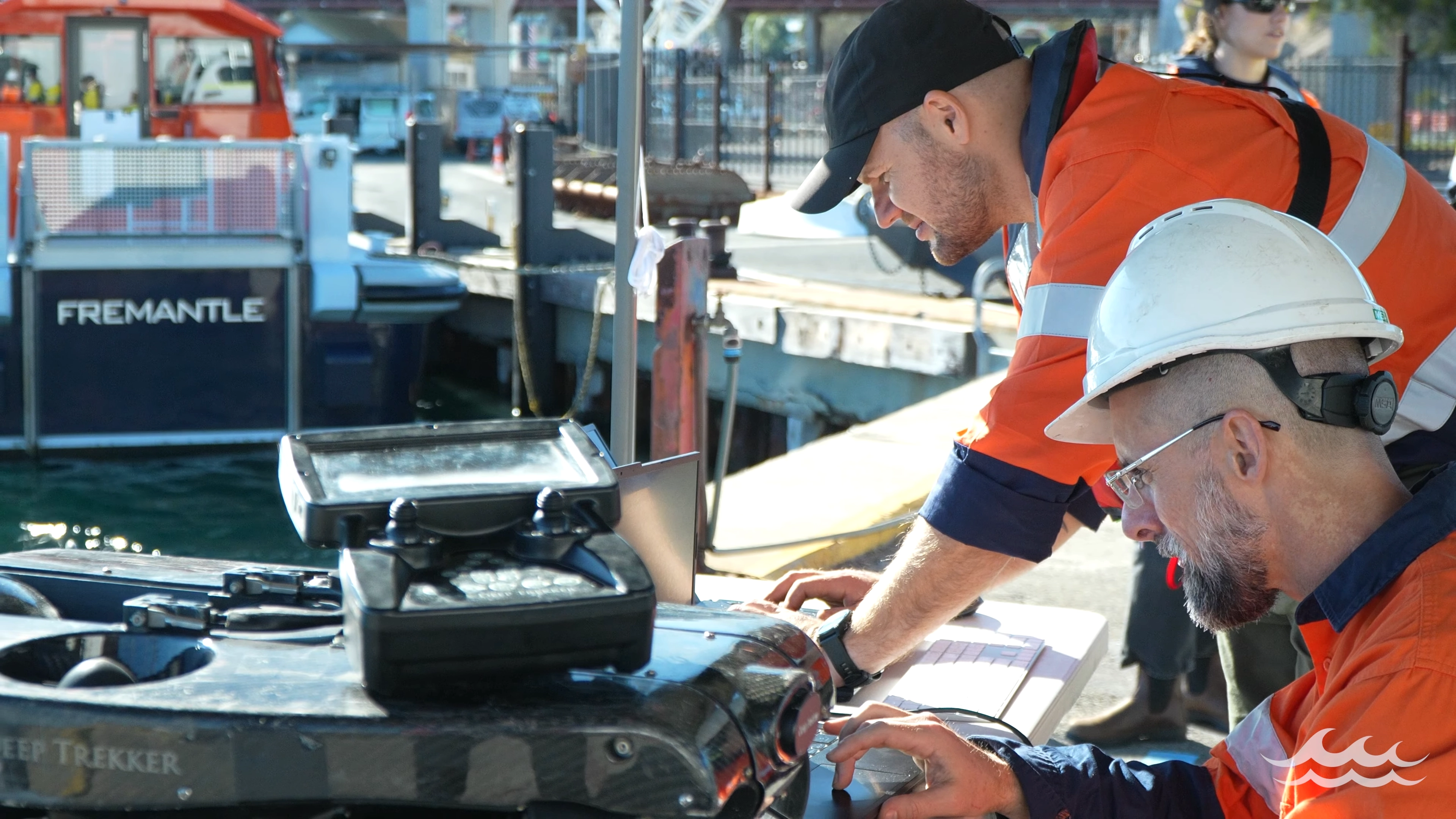 Mat and Marc reviewing ROV data during the inspection.
Surveyors and regulators watched the live stream remotely, which cuts approval time and travel cost. Everything is geotagged, timestamped and stored on blockchain, so the record can be traced and cannot be altered after the fact.
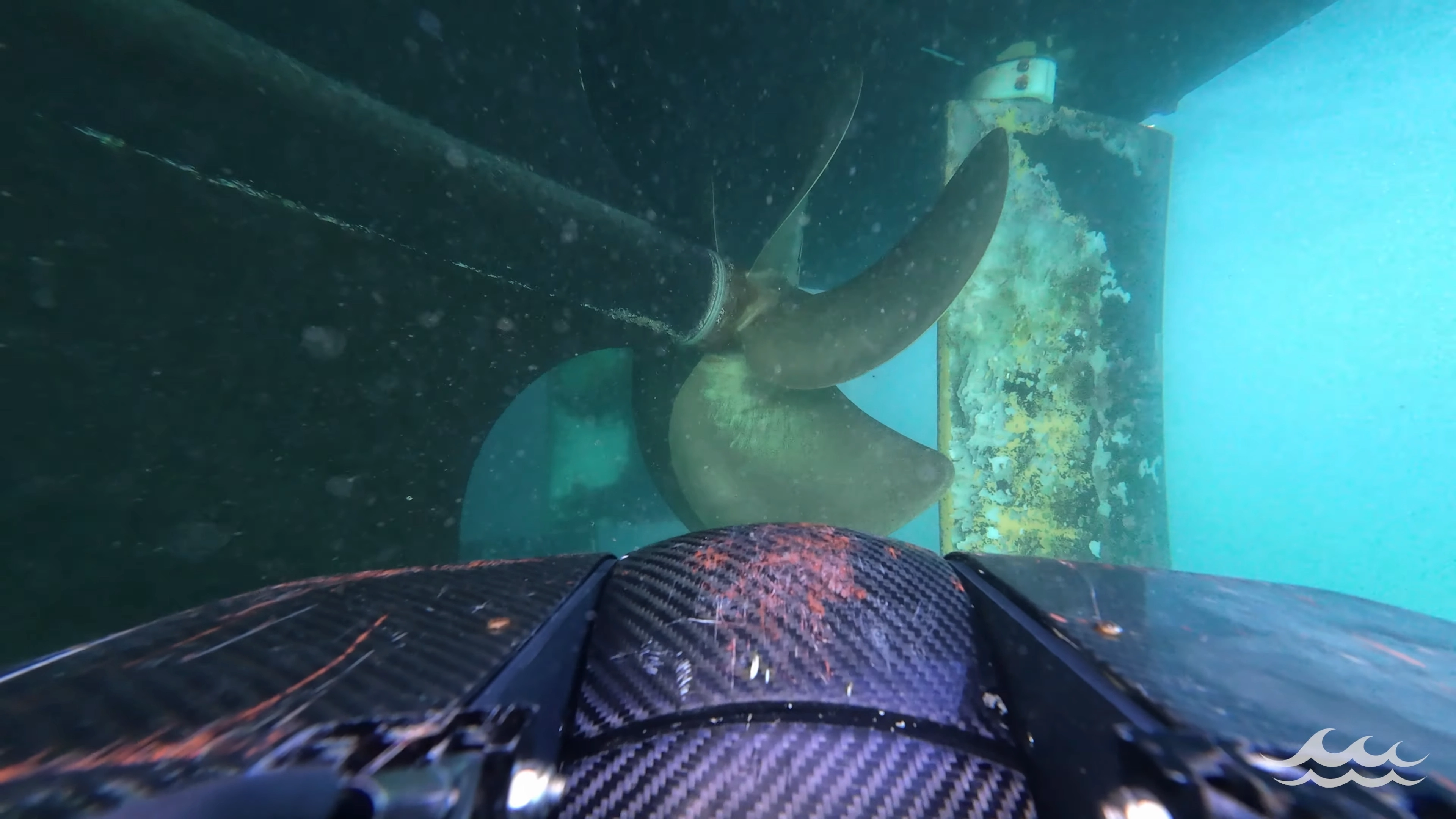 Propeller inspection from the ROV, at an angle that is difficult to reach safely with a diver.
Two kinds of inspection, one visit
We run both UWILD inspections (Underwater Inspections in Lieu of Drydocking) for classification societies, and biofouling assessments for environmental compliance. The requirements are different, but the method is the same.
Classification societies like DNV and ABS want structural integrity data. Environmental authorities want biosecurity compliance. Both can come out of a single inspection.
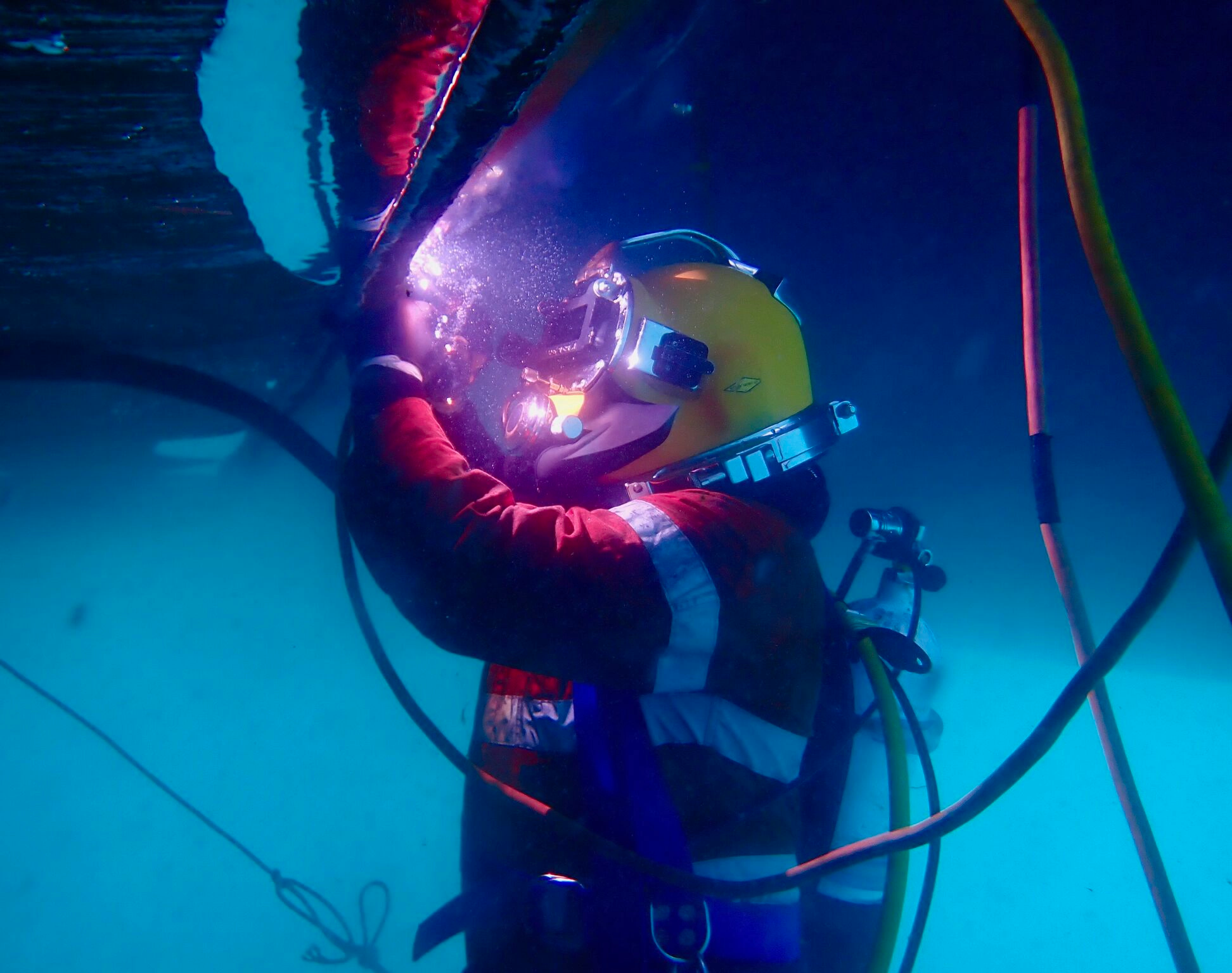 Divers still handle the specialised work. ROVs take the routine coverage.
The equipment
The MarineStream platform (app.marinestream.io) works with:
- ROVs: Revolution, Pivot, Photon, DTG3
- Crawlers: Clin Crawler, Vac Max Crawler
- Filtration: 5–25 micron systems with UV treatment
- Software: automated reporting with blockchain compliance tracking
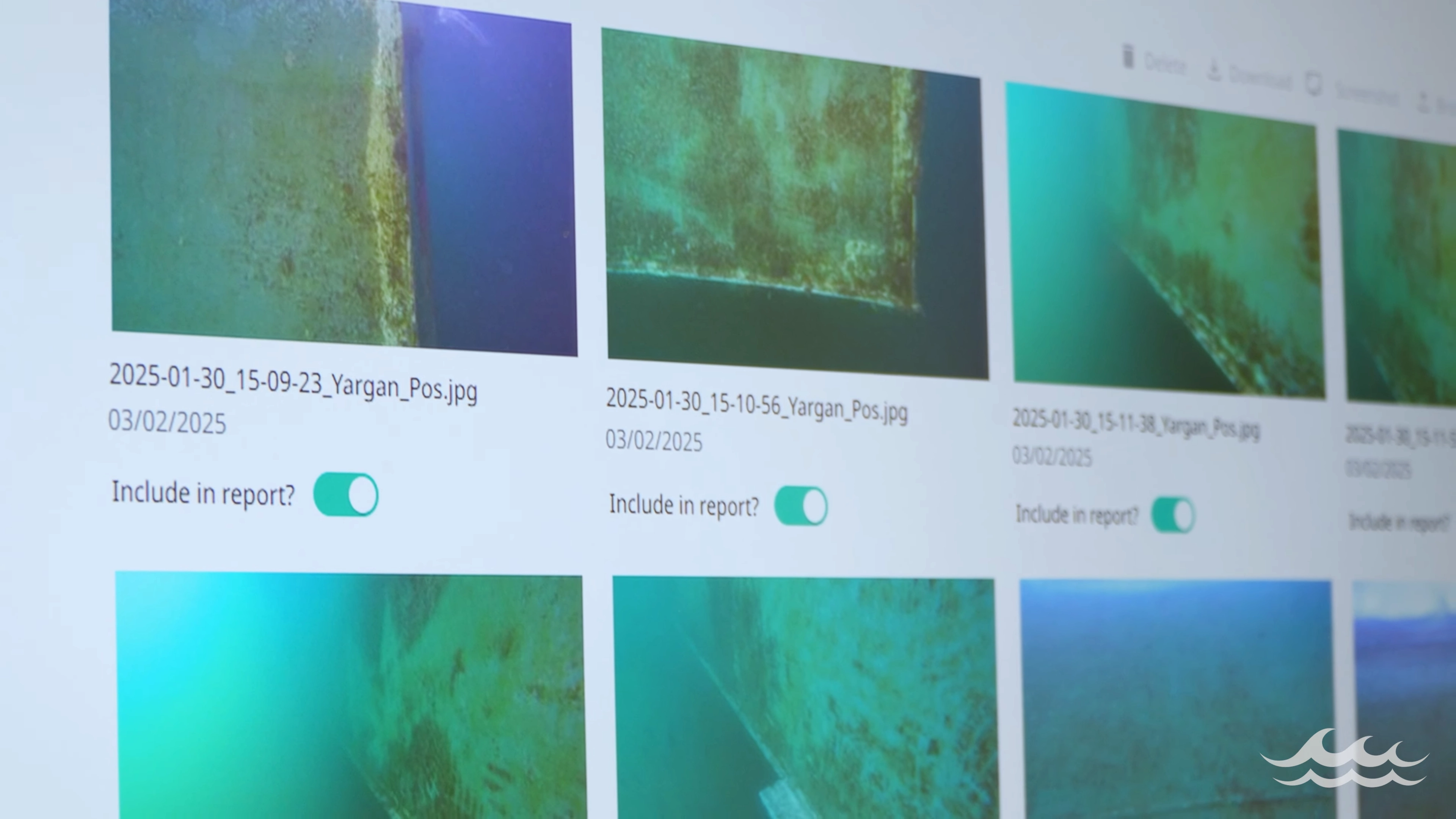 Inspection data and reporting tools in the MarineStream platform.
"MarineStream has created a complete framework for end-to-end biofouling management," notes Serena Brown, Global Business Development Manager at Deep Trekker. "The hardware ensures reliable data capture that supports the entire compliance process."
Across a fleet
For anyone running dozens of vessels, the value is consistency. The same protocols apply regardless of where the vessel is or which local regulator is involved.
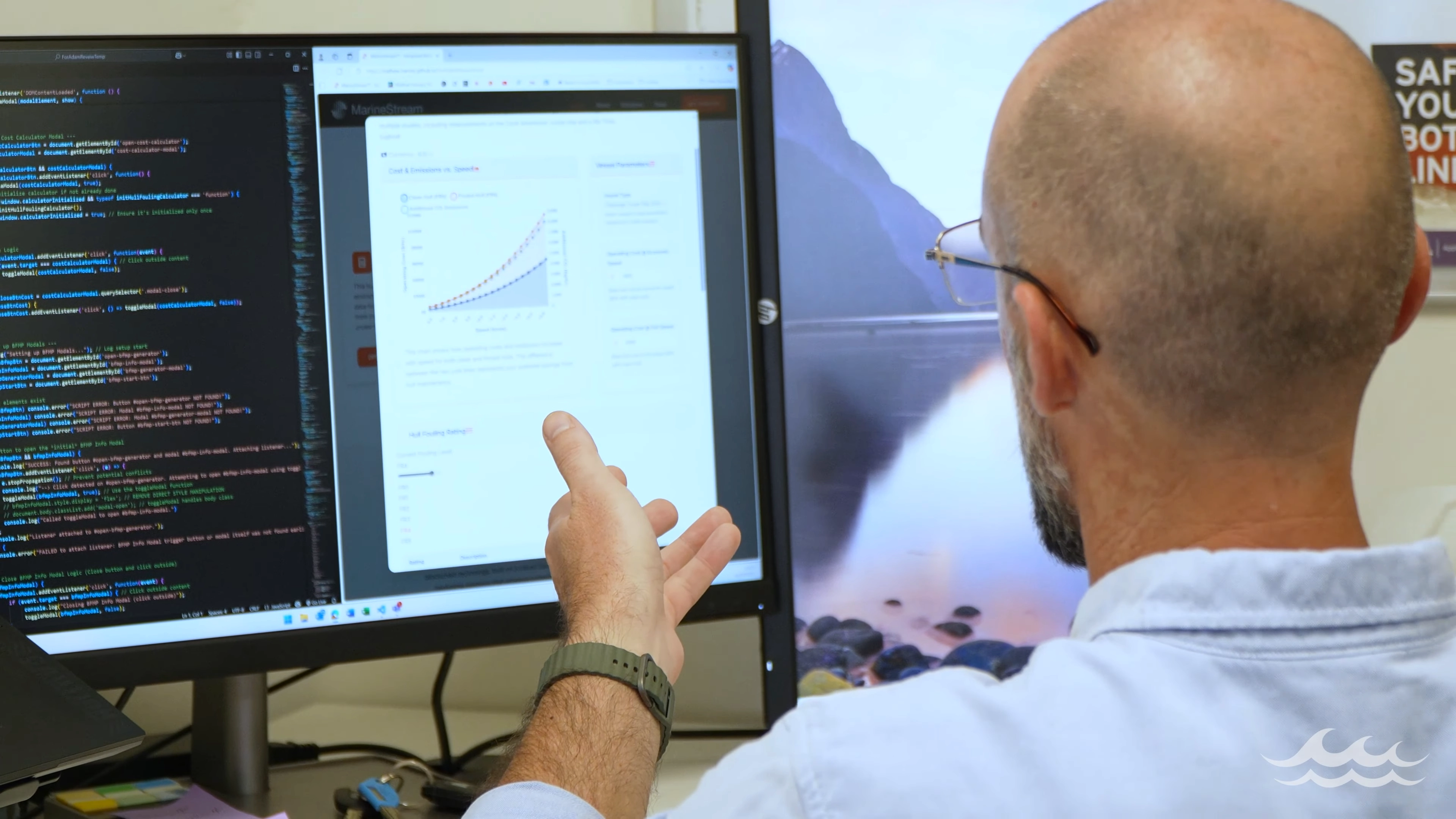 Configuring ROV systems for a multi-vessel fleet inspection.
A vessel inspected in Australia produces the same report as one inspected in Singapore or Rotterdam. Regulators see a documentation format they recognise, and fleet managers can compare vessels against each other.
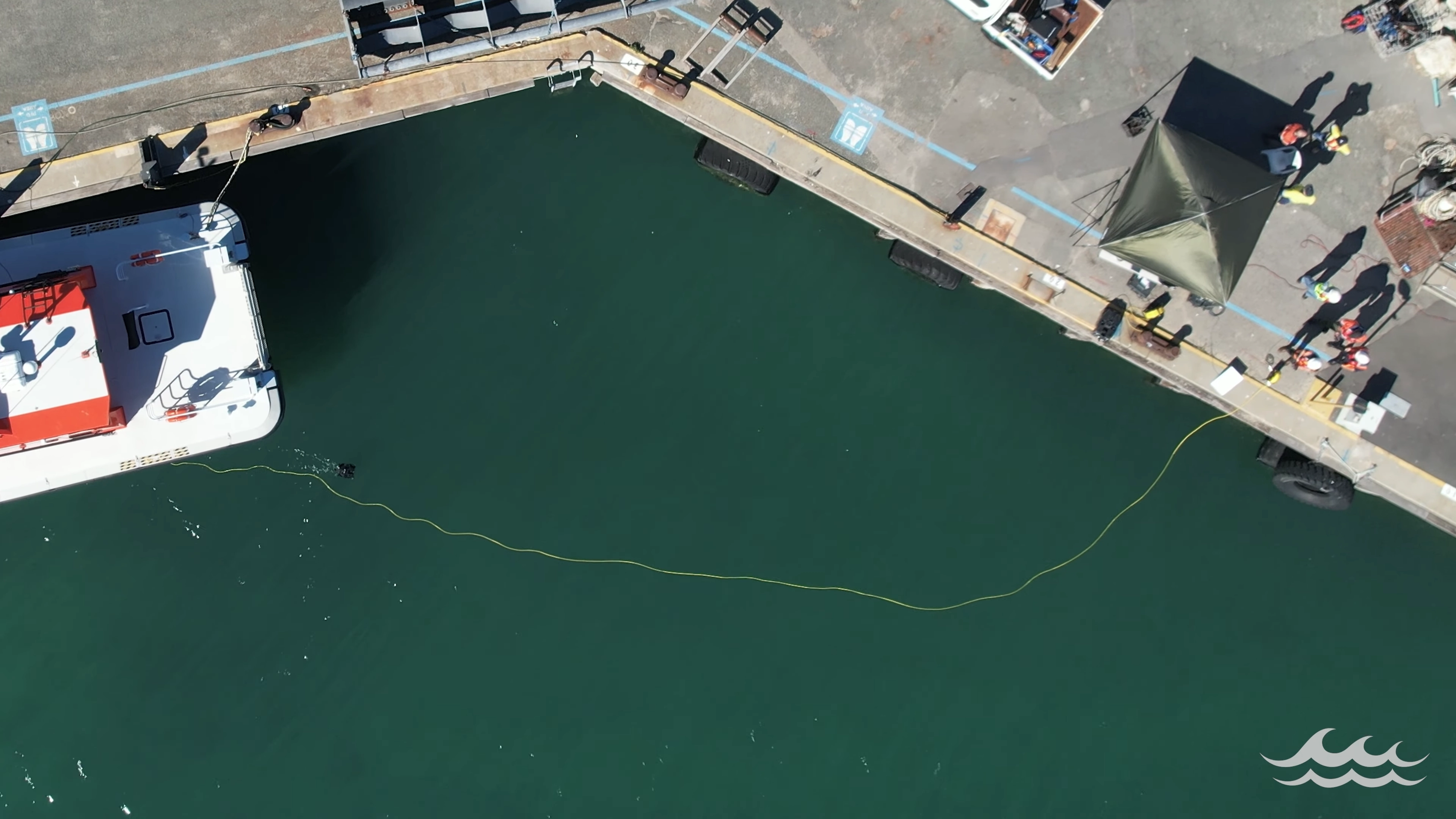 Port operations from the air.
What happens next
With environmental requirements tightening and drydock capacity shrinking, in-water inspection is becoming the default rather than the alternative.
"Ports face tighter turnaround times and environmental scrutiny," says Falconer-West. "Our digital platform and hardware integrations make a real difference."
The Fremantle trial showed the method works in a port that would not normally permit the work. The job now is doing it at scale.
About MarineStream
MarineStream delivers underwater inspection, maintenance and biofouling services from Henderson, Western Australia, working with defence, port and commercial operators. The team has over a decade of commercial diving and subsea experience behind it.
Learn more: app.marinestream.io
More from the news
From ROV Controls to a Remote Job in Sydney: Nine Months at MarineStream
Nine months from no practical experience to flying ROVs, running filtration systems and joining an inspection in Sydney from a desk in Perth.
The Preventive Advantage: Biofouling Management in a Warming Ocean
Warmer water is accelerating fouling and corrosion, which makes fixed maintenance intervals a bad bet.